Coil Burnout Prevention: The Essential Daily Checklist for Your Suspended Magnetic Separator
A burned-out coil is the most expensive failure your suspended magnetic separator can experience. It means the heart of your electromag magnetic separator is destroyed, requiring a costly replacement and hours—if not days—of unplanned downtime. The good news? Most coil failures are entirely preventable with systematic daily observation. This guide breaks down the five root causes of coil burnout and provides a practical checklist to keep your suspended magnetic separator running reliably for years.

Why Coils Fail: The Five Root Causes
The most common cause of coil failure is simple overheating. When an electromag magnetic separator cannot shed the heat generated by its coil, the insulation degrades rapidly until it fails completely.
-
Air-Cooled Units: Blocked cooling fans, clogged air intakes, or dust-choked cooling fins prevent heat from escaping.
-
Oil-Cooled Units: Failed pumps, low oil levels, blocked oil lines, or inefficient coolers stop the circulation that carries heat away.
-
Environmental Factors: Installing the suspended magnetic separator in a poorly ventilated or high-ambient-temperature area adds thermal stress.
2. Moisture Ingress & Insulation Breakdown
-
Rain entering through damaged seals or missing weather covers.
-
Condensation in high-humidity environments.
-
Direct wash-down with high-pressure water.
3. Electrical Abnormalities
-
Sustained over-voltage or under-voltage.
-
Faulty contactors or rectifiers in the control panel causing current spikes.
-
Internal coil faults like turn-to-turn shorts, often caused by prior thermal damage.
4. Mechanical Damage
-
A broken discharge belt allowing captured tramp metal to linger on the magnet face, creating eddy current heating.
-
Sharp iron pieces puncturing the housing.
-
Severe vibration loosening internal connections.
5. Poor Maintenance Practices
-
Allowing thick layers of compacted iron particles or dust to form an insulating blanket on the magnet surface .
-
Ignoring routine insulation testing.
-
Frequent, rapid cycling of power.


Your Daily & Weekly Inspection Checklist
A. Listen & Observe While Running
-
Unusual Sounds: Listen for grinding bearings, failing fans, or the hum of a struggling pump. Any change from the normal sound of your suspended magnetic separator warrants investigation.
-
Check the Panel: Note all ammeter and voltmeter readings. A creeping current draw often precedes a failure. Check for any illuminated alarms.
B. Dedicated Cooling System Inspection
-
Air-Cooled Models: Verify fan operation. Feel for adequate airflow. Inspect cooling fins and intake screens for dust or fiber buildup. Clean immediately if blocked.
-
Oil-Cooled Models: Check the oil level sight glass—maintain between the marks. Inspect all hoses and fittings for leaks. Ensure the circulation pump is running and the oil temperature is within normal range.


C. Physical Integrity & Environment
-
Weather Protection: Verify the weather cover is intact and securely fastened. Check all seals on junction boxes are sealing properly.
-
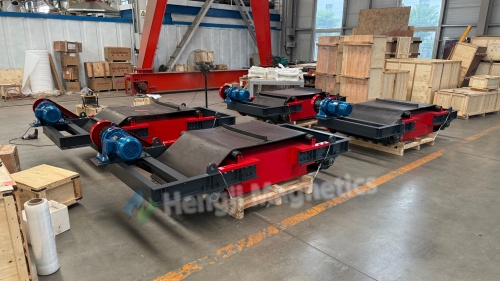
Belt & Discharge: Ensure the self-cleaning belt (if equipped) is tracking correctly and discharging captured metal. Trapped metal on the magnet face creates dangerous localized heating .
-
Surroundings: Clear any accumulated debris within 0.5 meters of the suspended magnetic separator to ensure airflow.
D. Periodic Professional Checks
-
Insulation Resistance Test (Monthly/Quarterly): With the electromag magnetic separator powered down and isolated, use a megohmmeter to measure coil-to-ground resistance. Values below 1 megohm (or as specified in your manual) indicate moisture or degradation.
-
Thermal Imaging (Annually): An infrared scan of the operating suspended magnetic separator can reveal hot spots indicative of failing connections or internal shorts.
Conclusion: An Ounce of Prevention
Media Clogged? How to Correctly Set the Backwash System on Your Dry High Gradient Magnetic Separator
The True Value of Quality: Why Permanent Drum Magnets Outperform Cheap Imitations Over Their Lifecycle
Related Article