Industrial Magnetic Separators in Food Processing: A Practical Selection Guide
2026-10-28
Choosing the right industrial magnetic separators for food processing lines is not just about price. Invisible iron filings and fine iron powder can directly affect product qualification rates. Many equipment managers ask: How do we select the right magnetic separators in food processing so that iron removal is clean and production is not interrupted? This article explains the key factors from Hengci Magnetic’s experience.
How Industrial Magnetic Separators Remove Iron
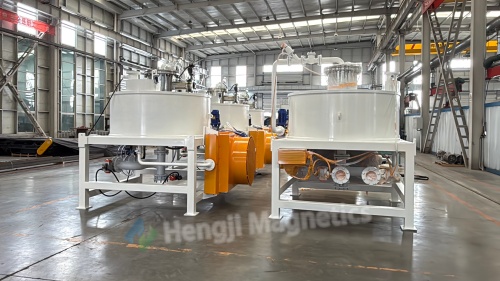
The core of any industrial magnetic separators is the magnetic system. Magnetic separation uses differences in magnetic susceptibility between materials. When powder enters the separation zone, magnetic and mechanical forces make particles follow different paths. The magnetic circuit is computer-simulated and uses high-performance Neodymium magnets as the source. The drum surface delivers strong field strength and high lifting force, resulting in high iron removal efficiency. Magnetic separators in food processing must also be maintenance-free, energy-saving, safe, and reliable.
How Magnetic Separators in Food Processing Separate Iron from Powder
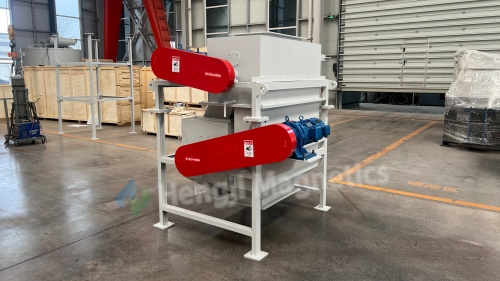
Inside the magnetic drum, the strong magnetic system remains stationary. The stainless steel drum shell drags magnetic particles within the magnetic field. Beyond the magnetic zone, magnetic particles detach by gravity and centrifugal force. In roll-type designs, the front roll uses an ultra-strong full-magnetic structure and the rear roll is the drive roll. Powder is fed evenly by a vibratory feeder. When material reaches the front magnetic roll zone, ferrous particles are firmly attracted. They are carried to the rear, scraped out of the magnetic zone, and discharged by gravity through the iron outlet. Non-magnetic material is thrown by inertia to the next conveyor and discharged through the product outlet. Magnetic separators in food processing must perform this separation continuously and automatically.
Food Processing Concerns: Hygiene, Sealing, and Cleaning
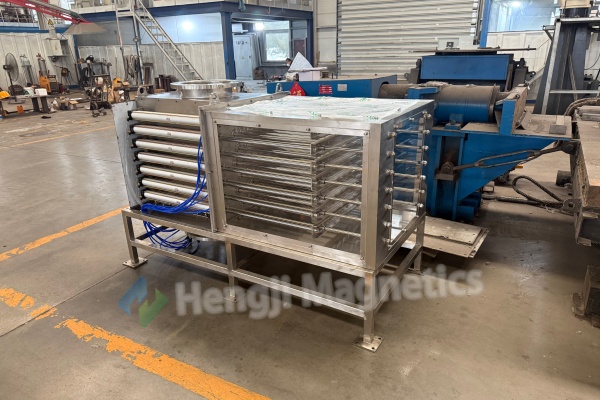
For magnetic separators in food processing, customers care about material safety, dust control, and cleaning convenience. First, all material-contact parts should be stainless steel or non-magnetic to prevent secondary contamination. Second, the equipment should be compact and well sealed to reduce dust emission and keep the workshop clean. Third, iron removal should be continuous and automatic. Once started, the unit should require no dedicated supervision. Iron impurities separate and discharge automatically as material passes. Daily maintenance focuses on timely cleaning of accumulated iron on the magnetic system to avoid unnecessary magnetic consumption. Industrial magnetic separators used in food plants must meet these hygiene and cleaning requirements.
Continuous Production: Durability, Energy Savings, and Installation
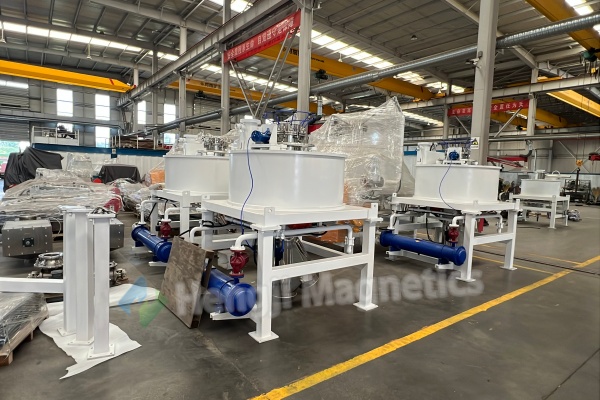
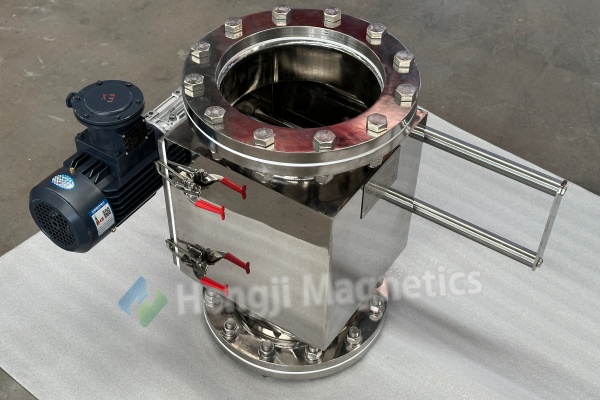
In continuous industrial production, industrial magnetic separators must also be durable and energy-efficient. The magnetic mechanism is sealed inside the housing with a drum-type design. The magnetic drum is fully isolated from material, so component wear is low and operation is stable and reliable. The unit is small, light, and has a low failure rate. It uses permanent magnets as the attraction source and electricity only for intermittent discharge. This gives low power consumption and reliable operation. Installation is flexible. As long as there is space for the equipment, it can be connected in series in a powder conveying pipeline. External dimensions can be customized. Magnetic separators in food processing should offer this installation flexibility.
Common Questions About Industrial Magnetic Separators
Customers often ask whether the magnetic force will decay. High-performance Neodymium magnets have a high energy product and resist demagnetization, maintaining stable magnetic force over long periods. Another question is whether shutdowns are needed for manual iron removal. Magnetic separators in food processing remove iron continuously and automatically, so no frequent shutdown cleaning is required. For high-temperature powders, heat-resistant Neodymium models can continuously remove iron below the specified temperature. The exact temperature range should be confirmed with your material conditions.
Case Study: Improving Iron Removal in Grain Processing
A grain processing company often found fine iron filings mixed into its powder during conveying. Finished product qualification rates were affected, and customer complaints continued. The old equipment removed iron poorly and required frequent shutdowns for cleaning. After introducing industrial magnetic separators designed for food processing, powder was vibrated evenly into the magnetic zone. Iron filings were firmly attracted, carried out of the magnetic zone, and automatically discharged. Non-magnetic material passed through the product outlet. The magnetic system was sealed inside the housing and fully isolated from material. Component wear was low, and operation was stable. Material-contact parts used stainless steel or non-magnetic materials, reducing secondary contamination. Continuous automatic iron removal needed no dedicated supervision. Finished product qualification rates improved significantly. Shutdown cleaning frequency and overall maintenance costs dropped sharply. This case shows why selecting the right magnetic separators in food processing matters.
Hengci Service: From Selection to Commissioning
Hengci Magnetic has extensive experience in manufacturing industrial magnetic separators for food processing. The company offers multiple sizes and custom designs based on material characteristics. Support covers the full process—from selection consulting to installation and commissioning. Provide your material properties, iron content, and throughput requirements, and Hengci will give you a practical selection reference. Magnetic separators in food processing from Hengci are designed to deliver clean iron removal, reliable operation, and low maintenance.
Conclusion: Choose the Right Industrial Magnetic Separators
Selecting industrial magnetic separators for food processing is not about comparing price alone. Look at the magnetic source, material hygiene, sealing, cleaning convenience, durability, energy savings, and installation flexibility. The right magnetic separators in food processing will remove fine iron reliably without interrupting production. If you need help choosing, contact Hengci Magnetic for a free application review.
Can a High Gradient Plate Magnetic Separator Replace a Vertical Ring?
Related Article
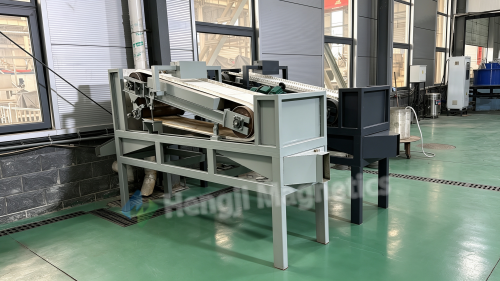
High gradient plate magnetic separator offers a lower-cost, easier-maintenance alternative to vertical ring high gradient magnetic separators for fine non-metallic mineral iron removal.
Can a High Gradient Plate Magnetic Separator Replace a Vertical Ring?
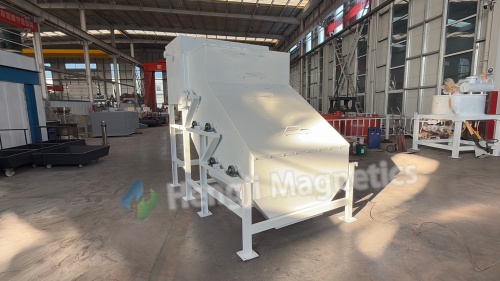
Neodymium magnet separator enables continuous magnetic separation in industry, removing fine iron from powders with less than 5% demagnetization over eight years.
Neodymium Magnet Separator: Powerful Magnetic Separation in Industry for Fine Powder Iron Removal