Eddy Current Metal Separator – Unlocking Efficient Recycling Magnetic Separation for Non‑Ferrous Metals
2026-08-15
In waste processing and resource recovery, efficiently separating non‑ferrous metals from mixed materials remains a critical challenge. The combination of eddy current metal separator technology and recycling magnetic separation is providing a new solution. This article addresses common customer questions about how these systems work and what they can deliver.
Understanding How an Eddy Current Metal Separator Works in Recycling Magnetic Separation
The eddy current metal separator exploits differences in electrical conductivity. A high‑frequency alternating magnetic field on the separation rotor induces eddy currents in conductive non‑ferrous metals—aluminum, copper, brass. These currents generate a repulsive force that propels the metal forward, separating it from non‑conductive materials. Recycling magnetic separation complements this by using magnetic circuits to further refine the separation of ferrous materials, ensuring high purity. The key separation criterion is the conductivity‑to‑density ratio—higher ratios yield better separation results.

Separation Performance – What Recovery Rates Can You Expect?
This is the most frequently asked question. An eddy current metal separator integrated with a recycling magnetic separation system effectively processes municipal solid waste, industrial scrap, e‑waste, glass cullet, plastic waste, bottom ash, and auto shredder residue—recovering aluminum, copper, and other non‑ferrous metals. For e‑waste (e.g., refrigerator recycling lines) and auto shredder residue, the system achieves high‑purity separation, significantly improving the downstream value of recovered metals. Note: the equipment cannot process large amounts of ferrous material; while small quantities pass through normally, high ferrous loads can damage the conveyor belt and rotor cover.
Durability and Maintenance – Is the Equipment Easy to Maintain?
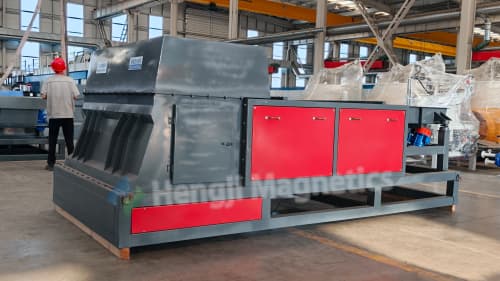
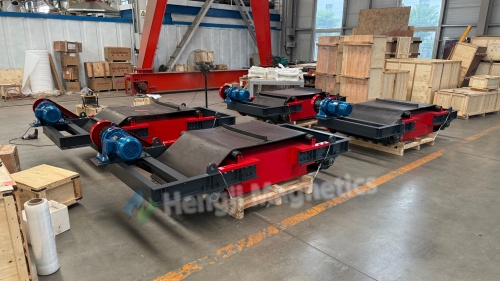
Maintenance is a practical concern for every customer. The eddy current metal separator features a split design: a main separator unit (magnetic rotor assembly, drive motor, frame, housing) and a separate control cabinet. Daily maintenance focuses on: checking and replacing gearbox lubricant at scheduled intervals; greasing moving parts every 15‑20 days; keeping the unit clean to prevent debris from being drawn into the belt or rotor; and stopping immediately if abnormal noise occurs. The conveyor belt is a wear part—inspect regularly for metal adhesion that could cause burn damage. For long‑term storage, protect the rotor, motor, and gearbox from moisture.

Installation and Commissioning – Can the Eddy Current Metal Separator Start Production Quickly?
Installation is straightforward. After positioning and leveling the unit, connect power per the electrical diagram. Commissioning involves adjusting belt tension (10‑15 mm deflection under thumb pressure) and splitter plate position until separation is optimized. The recycling magnetic separation circuit is pre‑aligned at the factory—only minor on‑site adjustments are needed for specific materials, reducing commissioning time and labor costs.

Applications – Which Industries Benefit Most from an Eddy Current Metal Separator?
The eddy current metal separator combined with recycling magnetic separation serves a wide range of industries. In environmental protection: waste treatment, WEEE recycling, e‑waste processing. In resource recovery: separating aluminum cans from ferrous metals, recovering non‑ferrous metals from bottom ash, sorting aluminum and copper from auto shredder residue. In industrial processing: removing non‑ferrous metal contaminants from glass cullet, plastic regrind, and PVC scrap. Whether for solid waste utilization or metal refining feed preparation, this technology provides stable, reliable separation.
Return on Investment – What Is the Overall Value of This System?
Feedback from operating sites shows that the eddy current metal separator with recycling magnetic separation significantly enhances material value. In e‑waste processing, high‑purity copper and aluminum recovered from mixed scrap can be sold directly to smelters, with a clear per‑ton value uplift. The permanent magnet rotor consumes minimal power and offers low operating costs, delivering outstanding long‑term returns. Manufactured under ISO 9001, with quality and after‑sales support from a certified high‑tech enterprise, the system is built for reliable, profitable operation.
Conclusion
The eddy current metal separator combined with recycling magnetic separation is redefining the efficiency of non‑ferrous metal recovery from waste streams. From recovery rates to maintenance costs, from installation to application scope, this technology has delivered measurable benefits to many recycling operations. If you are looking for a reliable, efficient solution for non‑ferrous metal separation, this technology deserves your serious consideration.
High Intensity Ceramic Magnetic Separator: A Complete Solution to Iron Removal Challenges in Ceramic Raw Materials
Self-Cleaning Overband Magnetic Separator: A Reliable Choice for Industrial Iron Removal and Purification
Related Article
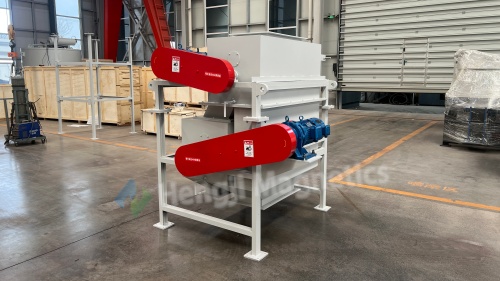
Rare earth dry drum magnetic separator combines rare earth magnetic force with dry processing to remove fine iron from powders, with no demagnetization and low energy use.
Rare Earth Dry Drum Magnetic Separator: Rare Earth-Level Magnetic Force for Dry Processing
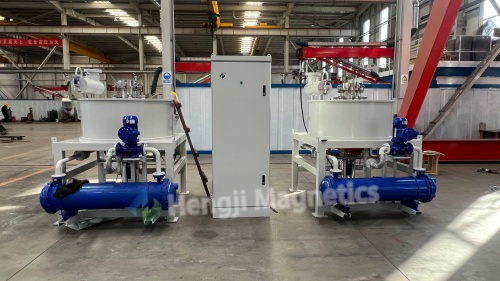
Dry electromagnetic food grade magnetic separators ensure safe, thorough iron removal from food powders with hygienic stainless steel construction and oil-cooled electromagnetic coils.
Food Grade Magnetic Separators and Dry Electromagnetic Separator: Ensuring Safe and Thorough Iron Removal in Food Powders