How a Conveyor Metal Detector and a Conveyor Belt Magnetic Separator Work Together

Core Distinction: The Sentinel vs. The Executor
At the heart of your production line, these two devices form a perfect "sense-and-remove" team.
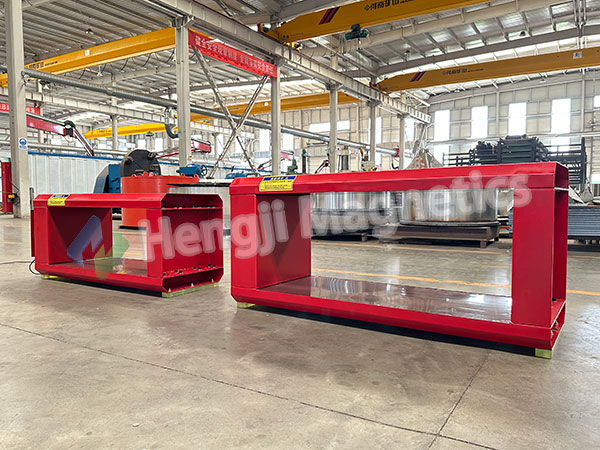
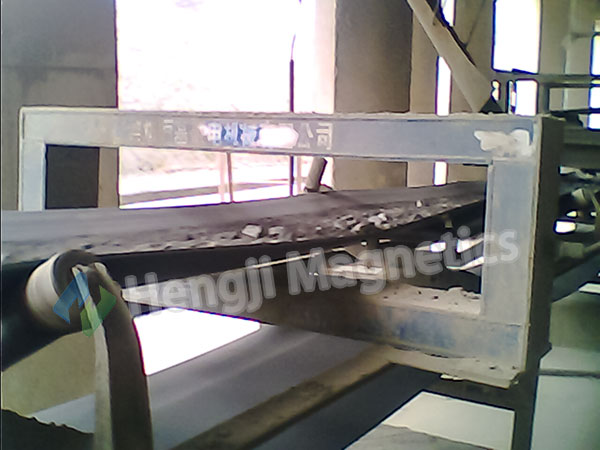
The Conveyor Metal Detector: The Alert System
-
Primary Role: Detection and Alarm. Think of it as the vigilant sentry for your entire line.
-
How It Works: This non-contact sensor uses electromagnetic induction to continuously scan material on the belt. It detects any metallic contaminant—ferrous or non-ferrous (like aluminum, copper, or stainless steel).
-
Key Value: It acts as the "guardian" for critical, expensive machinery like cone crushers and grinders. By spotting all metal threats early, it prevents catastrophic damage from tramp metal (e.g., bucket teeth, tool fragments).
The Conveyor Belt Magnetic Separator: The Removal Expert
-
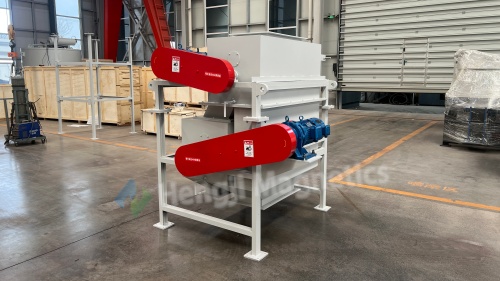
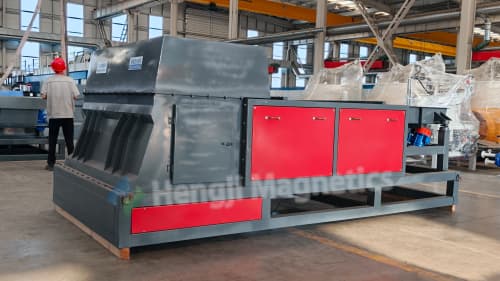
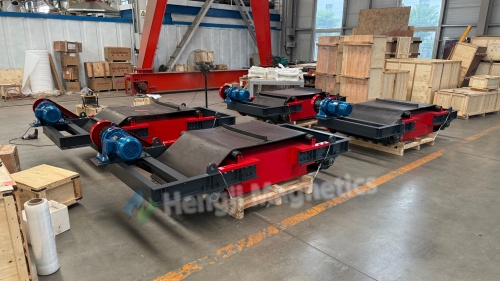
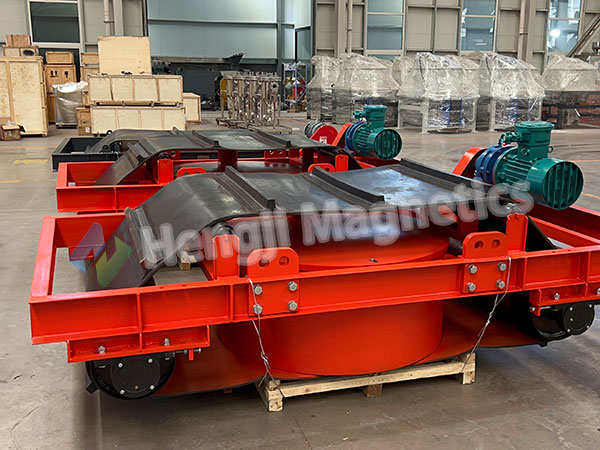
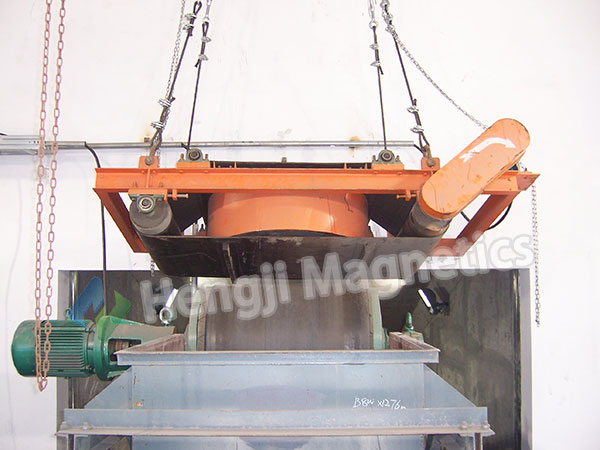
Primary Role: Extraction and Cleaning. This is the powerful executor that physically removes threats.
-
How It Works: Using a powerful permanent or electromagnetic field, it attracts and lifts ferrous metals (iron and steel) from the material stream, ejecting them via a self-cleaning belt.
-
Key Value: It purifies your product stream, protects conveyor belts from rips and damage, and recovers valuable ferrous scrap. However, it only removes magnetic metals.
Synergy in Placement: The Standardized Workflow
Upstream Process → Conveyor Metal Detector → (Distance Gap) → Conveyor Belt Magnetic Separator → Downstream Protected Equipment-
Position of the Conveyor Metal Detector: It must be installed before the magnetic separator. This allows it to scan all material first.
-
Position of the Conveyor Belt Magnetic Separator: It is placed after the detector and before any sensitive machinery, ready to act on the command.
The Automated Workflow in Action:
-
Constant Monitoring: The conveyor metal detector scans all material.
-
Threat Identified: Upon detecting any metal, it instantly sends an electrical stop/alert signal.
-
Command Relay: This signal is sent to the control panel of the conveyor belt magnetic separator.
-
Precise Execution: The separator activates at the exact right moment, lifting the ferrous metal from the stream.
-
System Reset: After removal, both systems reset, awaiting the next cycle.
Intelligent Control & Energy-Saving Mode
-
The Smart, Efficient Mode: In applications with infrequent metal contamination, the conveyor belt magnetic separator can remain in standby. It only powers up when the conveyor metal detector sends an alert signal. This "on-demand" operation drastically reduces power consumption.
-
Built-in Redundancy: If the detection system requires maintenance, the separator can be switched back to continuous operation, ensuring your line remains protected without interruption.
Key Installation Consideration: Preventing Interference
-
Maintain a Minimum Distance: A conveyor belt magnetic separator generates a strong magnetic field. To prevent false alarms or reduced sensitivity, the conveyor metal detector's search coil must be installed at a safe distance—typically 10 to 15 meters away.
-
Independent Mounting: The detector's frame should be mounted independently from the conveyor structure to minimize vibration interference, ensuring stable and accurate detection.
Conclusion: A Partnership for Peak Performance
-
The detector is your first line of defense, identifying all metallic threats.
-
The separator is your second line of defense, precisely removing magnetic contaminants.
Eliminating Dead Zones: Optimizing Magnetic Separation Rods Layout in Pipeline Magnetic Separators
The Evolution of Reliability: How Coil Innovation Built a Tougher Electro Magnetic Separator
Related Article