Eddy Current Magnetic Separator: Revolutionizing Magnetic Separation Recycling for Metal Recovery

The Science Behind Eddy Current Magnetic Separation

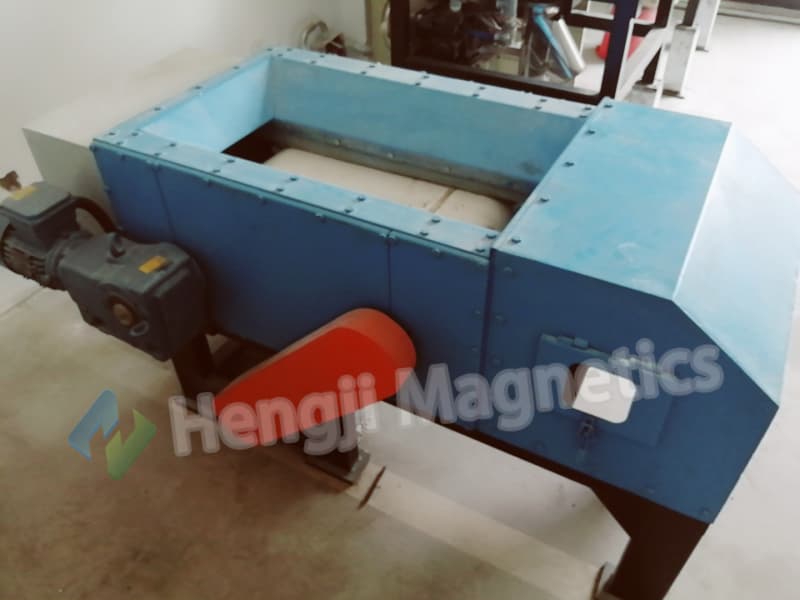
Step-by-Step Separation Process in Action
Understanding the practical operation of the eddy current magnetic separator helps appreciate its efficiency in magnetic separation recycling applications. The process typically unfolds through four meticulously engineered stages that ensure optimal recovery rates.
The process begins with uniform feeding of waste materials through a vibratory feeder or conveyor system, spreading them evenly across the high-speed conveyor belt. This consistent feeding is crucial for effective separation in the eddy current magnetic separator, as uneven distribution can significantly compromise sorting efficiency in magnetic separation recycling operations.
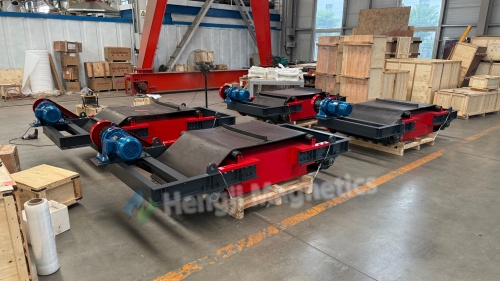
As materials transition from the feeding mechanism onto the main conveyor belt of the eddy current magnetic separator, they accelerate to match the belt's speed. This acceleration ensures all particles maintain consistent horizontal velocity when they reach the separation zone, a critical factor for predictable trajectory paths in the magnetic separation recycling process.

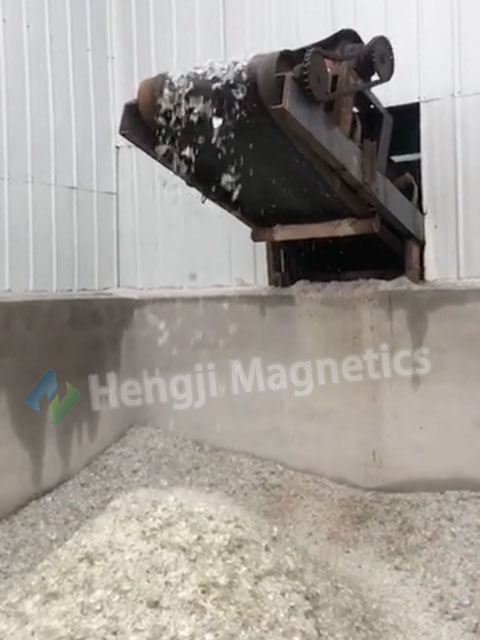
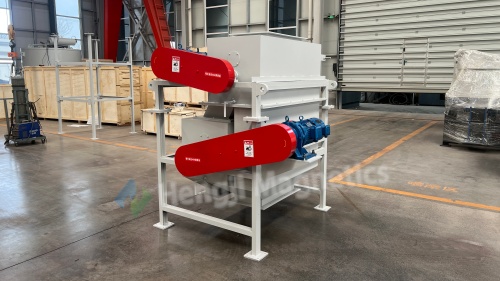
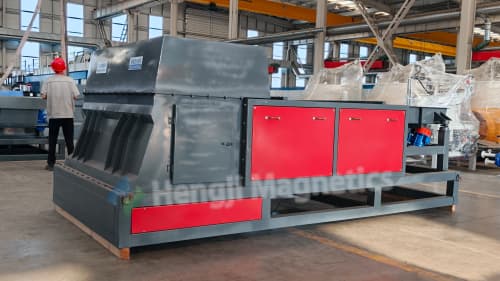
The core separation occurs as the conveyor belt wraps around the central component - the permanent magnetic rotor. This rotor contains specially arranged magnetic blocks that rapidly alternate magnetic poles (N-S-N-S), creating a high-frequency changing magnetic field at the roller surface. Non-metallic materials like plastics and glass, being non-conductive, generate no eddy currents and simply follow a natural parabolic trajectory based on gravity and inertia. Conversely, non-ferrous metals like aluminum and copper develop powerful eddy currents when passing through the magnetic field, experiencing a strong forward magnetic repulsion force that propels them along a higher, farther trajectory.
The final stage utilizes the distinctly different trajectories of metallic and non-metallic materials. As materials exit the eddy current magnetic separator, metals travel significantly farther than non-metals due to the additional repulsive force. An adjustable splitter plate positioned at the landing point precisely directs metal and non-metal streams into separate collection chambers, completing the magnetic separation recycling process with remarkable efficiency.
Key Advantages of Eddy Current Separation Technology
The eddy current magnetic separator offers numerous benefits that make it indispensable in modern magnetic separation recycling operations. Its exceptional efficiency enables high-volume processing with recovery purity often exceeding 95% in optimal conditions. The non-contact nature of the separation method means no physical contact occurs with materials, significantly reducing wear and extending equipment lifespan.
Environmentally, the eddy current magnetic separator operates without water or chemicals, making it an entirely dry process that aligns with sustainable magnetic separation recycling practices. Economically, it delivers substantial value by effectively recovering high-worth metals like copper and aluminum, creating significant revenue streams from what would otherwise be waste materials.
Applications Across Recycling Industries
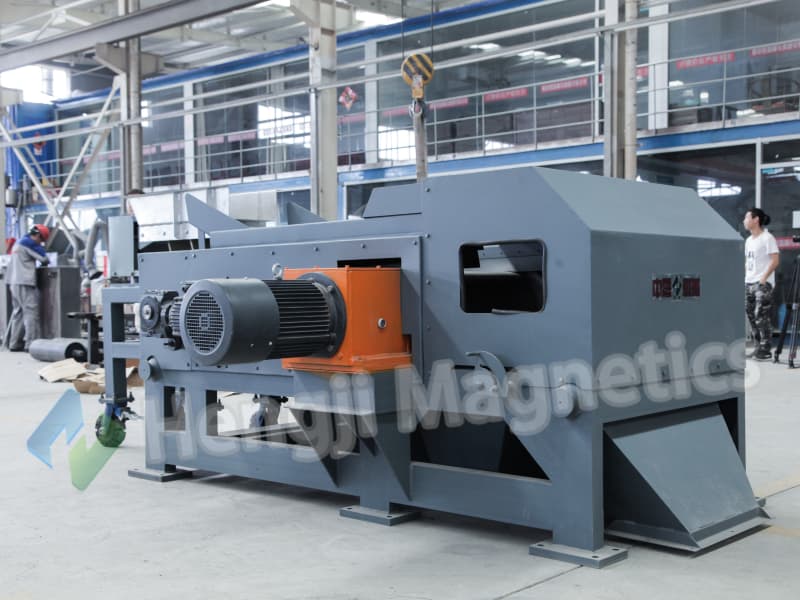
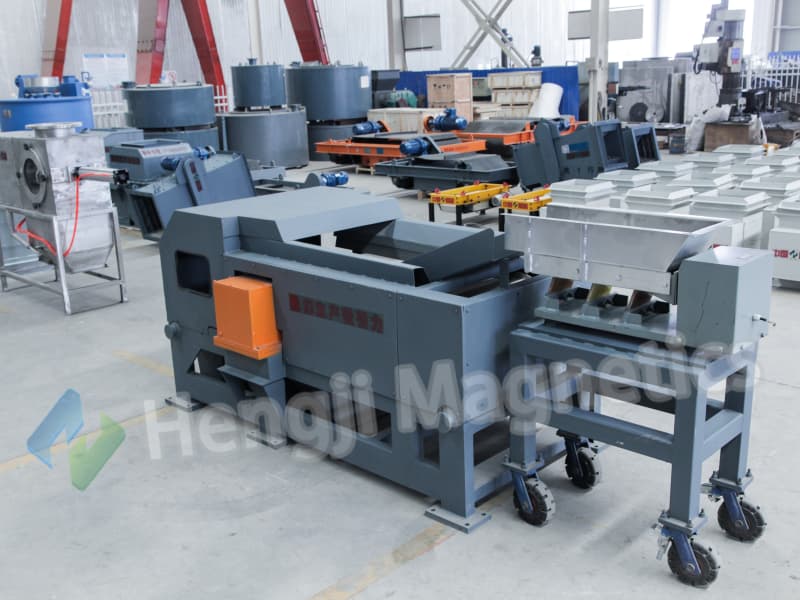
The versatility of the eddy current magnetic separator makes it valuable across numerous magnetic separation recycling sectors. In electronic waste processing, it efficiently separates copper and aluminum from crushed circuit boards and appliance housings. The automotive recycling industry utilizes this technology to recover aluminum components and copper wiring from vehicle shredder residue.
Municipal solid waste management employs the eddy current magnetic separator to reclaim aluminum cans and other non-ferrous metals from mixed waste streams and incineration bottom ash. The glass recycling sector benefits from its ability to remove aluminum caps and other metallic contaminants from crushed glass. Additionally, specialized applications include separating aluminum from PVC in recycled window frames and recovering non-ferrous metals from industrial slags and foundry sands.
Critical Operational Considerations
Several important factors influence the performance of eddy current magnetic separator systems in magnetic separation recycling applications. The key separation criterion involves the conductivity-to-density ratio, which determines how easily different metals can be separated. Metals with higher ratios, like aluminum (high conductivity, low density), experience greater repulsive forces and separate most readily in the eddy current magnetic separator.
Notably, the technology cannot separate ferrous metals like iron and steel, as these magnetic materials would adhere to the rotor surface, potentially damaging the equipment. Therefore, magnetic separation recycling processes must include magnetic separation stages to remove ferrous metals before materials reach the eddy current magnetic separator.
Particle size and shape significantly affect separation efficiency. The eddy current magnetic separator typically works best within specific size ranges, with very small or thin metallic pieces presenting greater separation challenges. Optimal performance in magnetic separation recycling applications often requires preliminary sizing of feed material to ensure consistent results.

Transforming Metal Recovery Operations
The eddy current magnetic separator represents a sophisticated application of electromagnetic principles to practical magnetic separation recycling challenges. By providing a "magnetic ejection" to conductive metals, it enables efficient, automated separation of non-ferrous metals from non-metallic materials, delivering both economic and environmental benefits.
As resource recovery becomes increasingly crucial in our circular economy, the eddy current magnetic separator stands as an indispensable technology in modern magnetic separation recycling infrastructure. Its ability to reclaim valuable materials from waste streams while reducing environmental impact makes it a smart investment for forward-thinking recycling operations worldwide.
Ready to enhance your metal recovery capabilities? Contact us today to discover how our advanced eddy current magnetic separator solutions can transform your magnetic separation recycling processes, delivering improved efficiency, increased profitability, and superior environmental performance.
Permanent Magnetic Separator: Seamless Integration of Pipeline Magnetic Separator into Your Existing Process
Magnetic Grate Separators: Achieving Zero Contamination with Food Grade Magnetic Separators
Related Article