Eddy Current Metal Separator – Precision Magnetic Separation of Metals for Recycling
In the resource recovery and solid waste treatment industries, efficiently separating non‑ferrous metals from mixed materials has long been a major challenge. With tightening environmental regulations and rising resource values, the eddy current metal separator has become a core piece of equipment in the field of magnetic separation of metals. This article addresses the most common customer concerns and demonstrates how this technology delivers reliable, cost‑effective solutions.

Core Customer Concerns in Magnetic Separation of Metals
Concern 1: Low Purity Reduces Recovery Value
Many recycling operations—whether processing e‑waste, auto shredder residue, or municipal solid waste—struggle with incomplete separation of non‑ferrous metals from non‑metallics. Manual sorting is inefficient, while conventional equipment often fails to distinguish materials with similar conductivity.
The eddy current metal separator exploits differences in electrical conductivity. A high‑frequency alternating magnetic field on the separation rotor induces eddy currents in conductive non‑ferrous metals—aluminum, copper, brass. These currents generate a repulsive force that propels the metal forward, separating it from non‑conductive materials. The key criterion is the conductivity‑to‑density ratio—higher ratios yield better separation results. This ensures that recovered metals achieve high purity, maximizing downstream value.
Concern 2: High Energy Consumption and Operating Costs
Traditional separation equipment often consumes excessive energy, placing a heavy burden on operators. The eddy current metal separator uses permanent magnet technology with a compact, energy‑efficient design. Power consumption is significantly lower than comparable equipment, and automated operation reduces labor costs.

Concern 3: Frequent Maintenance Disrupts Production
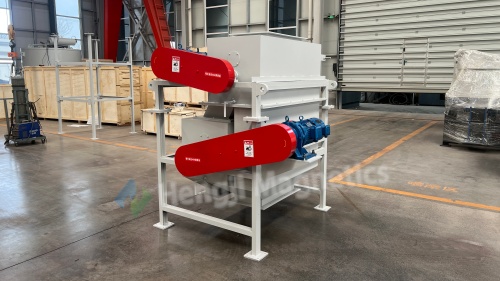
Unplanned downtime is a major pain point. The eddy current metal separator consists of a main separator unit (magnetic rotor assembly, drive motor, frame, housing) and a separate control cabinet. The simple, robust design requires minimal maintenance—periodic checks of gearbox oil, bearing lubrication, and surface cleaning are sufficient. Long maintenance intervals keep production lines running continuously.
Application Cases of Eddy Current Metal Separator in Magnetic Separation of Metals
Case 1: E‑Waste Processing – Refrigerator Recycling Lines
A large appliance recycling facility processed scrap refrigerators containing copper tubes, aluminum sheets, and plastic foam. Previously reliant on manual sorting, recovery rates were low and labor costs high. After installing an eddy current metal separator, copper and aluminum were ejected with high precision, dramatically improving purity and recovery. The equipment paid for itself within six months.

Case 2: Auto Shredder Residue – Aluminum Recovery
An auto recycling plant processed large volumes of shredder residue containing ferrous metals, non‑ferrous metals, and various non‑metallics. Conventional magnetic separators removed only ferrous material—aluminum and copper were lost. With the eddy current metal separator, the plant achieved efficient recovery of aluminum and copper from auto shredder residue, creating a new revenue stream while improving resource utilization.
Case 3: Glass Recycling – Non‑Ferrous Metal Removal
In glass recycling, crushed glass is often contaminated with aluminum caps and copper wire—affecting melt quality. The eddy current metal separator installed on the glass crushing line reliably removed non‑ferrous metals from glass cullet, ensuring feedstock purity while generating additional metal revenue.
Why Choose an Eddy Current Metal Separator for Magnetic Separation of Metals
The eddy current metal separator represents a major advance in magnetic separation of metals. Unlike conventional separators that target only ferrous materials, it focuses specifically on non‑ferrous metals—filling a critical gap in metal recovery. Applications include e‑waste processing, refrigerator recycling lines, aluminum can separation, non‑ferrous metal recovery from bottom ash, glass cullet purification, plastic recycling lines, and PVC scrap processing.
Conclusion
As resource circularity becomes a global priority, the eddy current metal separator is an indispensable tool for magnetic separation of metals. It delivers high efficiency, low energy consumption, and precision separation—helping recyclers improve processing capability, recover more value, and achieve both economic and environmental benefits.
Food Grade Magnetic Separators and Dry Electromagnetic Separator: Ensuring Safe and Thorough Iron Removal in Food Powders
Magnetic Separator for Belt Conveyor – Self-Cleaning Design for True Non-Stop Iron Removal
Related Article