From Waste to Worth: How Magnetic Separation Technology Drives Recycling and Zero-Waste Goals
Achieving true zero-waste manufacturing is an ambitious goal, but it's within reach with the right technology. A core enabler is advanced magnetic separation technology. By efficiently recovering valuable metals from complex waste streams, this method turns industrial by-products and end-of-life goods into revenue streams. This article explores how modern magnetic separation recycling processes are fundamental to building a circular economy and minimizing landfill dependency.

The Core Principle: Physical Separation for Purity
-
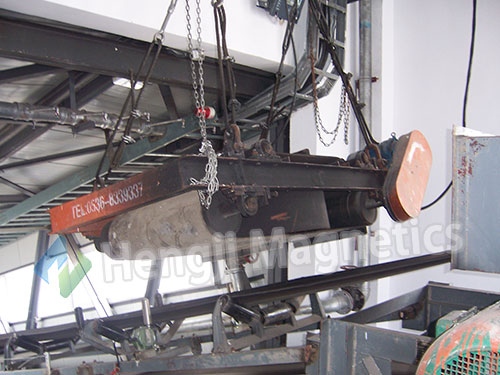
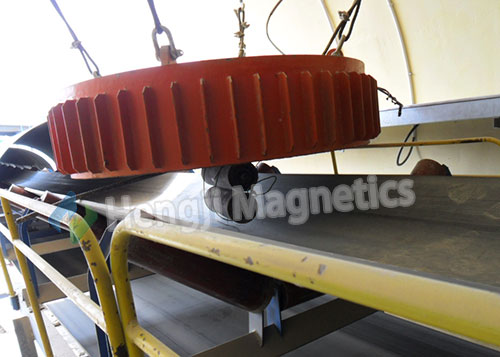
For Ferrous Metals: Powerful magnets attract and separate iron and steel from mixed shredder residue, slag, or incinerator ash.
-
For Non-Ferrous Metals: Eddy current separators, a key subset of magnetic separation technology, use magnetic repulsion to "jump" conductive metals like aluminum and copper away from plastics, glass, and wood.

Key Applications in Industrial Waste Streams
-
E-Waste (WEEE): Recovers ferrous metals, copper, and aluminum from shredded computers, appliances, and circuit boards.
-
Automotive Shredder Residue (ASR): Extracts high-purity steel, stainless steel fragments, and non-ferrous metals from car fluff.
-
Municipal Solid Waste (MSW): Recovers metals from incinerator bottom ash, capturing value and reducing landfill mass.
Recovering Value from Production By-Products
-
Slag and Foundry Sand: Recovers metallic iron from steel mill slag and casting waste.
-
Mining & Mineral Tailings: Recaptures valuable magnetic minerals from processing waste, boosting yield and reducing tailings pond volume.
-
Process Stream Purification: Removes tramp metal from material flows in plastic, glass, or ceramic production, protecting equipment and improving product quality.
Technological Advantages for a Zero-Waste System
High Efficiency and Recovery Rates
Full Automation and Continuous Operation
Customization and Process Adaptability
The Environmental and Economic Payoff
-
Environmental Benefit: It's a clean, physical process. It reduces the need for virgin ore mining, cuts greenhouse gas emissions from primary metal production, and drastically diverts waste from landfills.
-
Economic Driver: It transforms a disposal cost into a revenue center. Recovered metals are a high-value commodity. The return on investment is often rapid, with systems paying for themselves by converting waste into a sold product.

Integrating Magnetic Separation into Your Zero-Waste Strategy
-
Primary Recovery (Roughing): Uses powerful magnets to remove the bulk of ferrous metals early in the process, protecting downstream equipment.
-
Secondary Recovery (Cleaning): Employs more sensitive or specialized separators (like eddy currents) to extract high-purity non-ferrous metals from pre-sorted streams.
-
Tertiary Recovery (Scavenging): Uses fine-tuned systems to capture any remaining metal from residues, ensuring nothing of value is lost before final disposal.
Conclusion: A Strategic Pillar for Sustainable Industry
The Evolution of Reliability: How Coil Innovation Built a Tougher Electro Magnetic Separator
Essential Safety Guide: Protecting People and Equipment Around High Intensity Magnetic Separators
Related Article