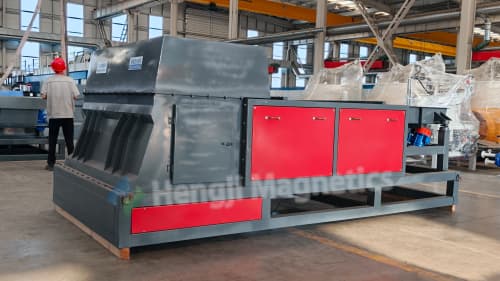
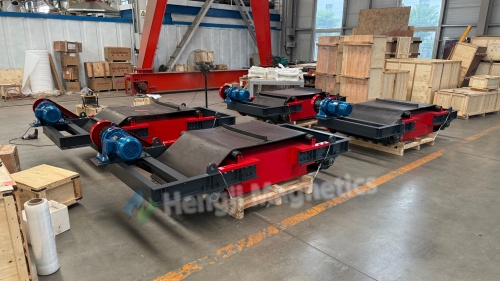
Troubleshooting Your Permanent Magnetic Drum: Fixing Belt Misalignment, Carryover & Poor Separation
2026-02-10
Your permanent magnetic drum is a workhorse, but even the most reliable equipment can develop issues that impact your sorting efficiency and uptime. Common problems like belt misalignment, product carryover, and declining separation performance can often be diagnosed and resolved with a systematic approach. This guide will walk you through practical steps to get your magnetic drum pulley and the entire separation system back to peak performance.

Problem #1: The Wandering Belt – Misalignment on Your Magnetic Drum Pulley
A misaligned belt is one of the most frequent and visible issues. It leads to uneven wear, material spillage, and can damage the drum shell.
-
The Symptom: The cleaning or discharge belt consistently drifts to one side of the permanent magnetic drum.
-
The Core Cause: Uneven tension across the width of the belt.
-
The Fix – The Universal Adjustment Rule:
-
Observe: Stand facing the belt's direction of travel and note which side it is drifting toward.
-
Adjust: Remember the rule: "The belt runs toward the loose side." Therefore, to correct it, you must tighten the side it is running toward. Loosen the lock nuts on the adjustment bolts on that side, and slowly tighten the bolts to move the end pulley and take up slack.
-
Secure & Test: Once centered, re-tighten all lock nuts securely and run the magnetic drum pulley empty to verify the correction holds. Never run a severely misaligned belt, as it can cause permanent damage.
-
Problem #2: Product Carryover – When Non-Magnetics Get Carried Away
Carryover happens when non-magnetic material is inadvertently discharged with the magnetic concentrate, contaminating your product.
-
Symptom: Dirty concentrate or reduced purity in your non-magnetic product stream.
-
Common Causes & Solutions:
-
Overfeeding: The most common cause. If the feed layer on the permanent magnetic drum is too thick, the magnetic force cannot properly separate and lift all magnetic particles, trapping non-magnetics. Solution: Ensure a thin, even, monolayer feed.
-
Incorrect Splitter Position: The adjustable splitter (or divider) that separates the magnetic and non-magnetic discharge streams may be out of alignment. Solution: With the drum running, feed a small amount of material and finely adjust the splitter's position to achieve a clean, sharp split between the two product streams.
-
Incorrect Drum Speed: If the magnetic drum pulley rotates too fast, magnetic particles may not have enough time to be captured. Solution: Adjust the VFD or pulley system to optimize rotational speed for your specific material density and particle size.
-
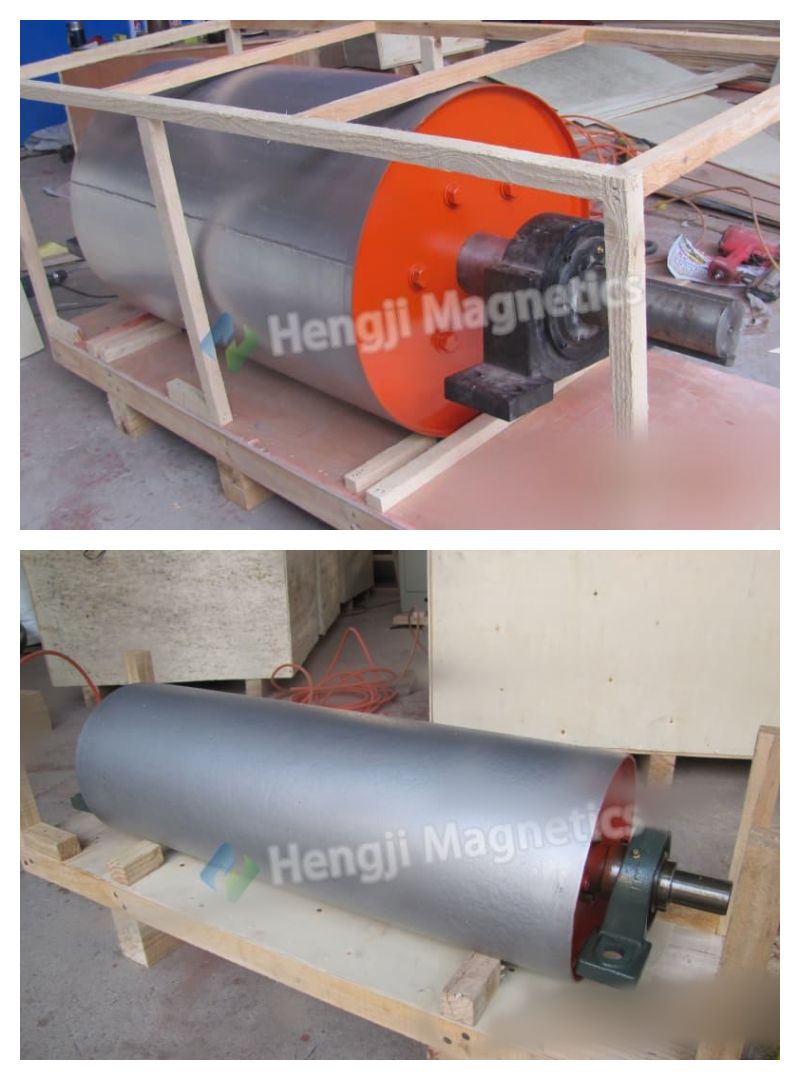
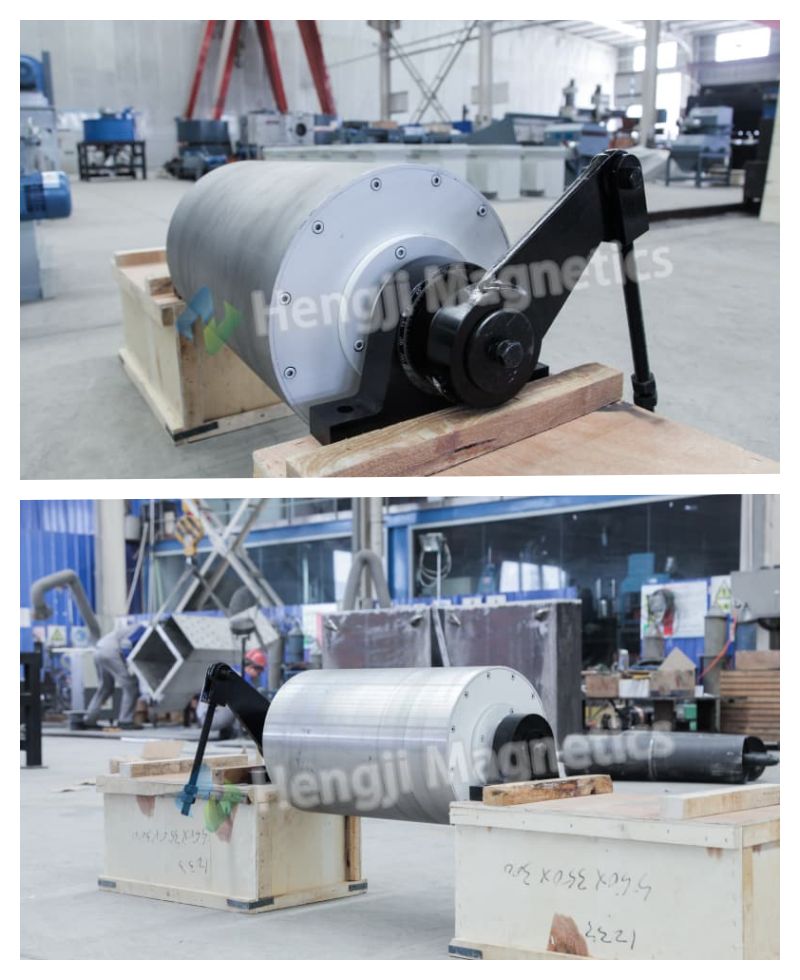
Problem #3: Declining Separation Performance – Weak Magnetic Pull
This manifests as reduced recovery—valuable magnetic material is lost to the tailings.
-
Symptom: The permanent magnetic drum fails to capture magnetic particles it previously could.
-
Key Causes & Diagnostic Steps:
-
Check the Obvious First – Build-up: A layer of captured metal on the drum surface acts as a barrier, drastically reducing effective magnetic force. Solution: Implement a strict, regular cleaning schedule for the drum face.
-
Inspect the Magnetic Core: While rare, the powerful magnets inside the permanent magnetic drum can be damaged by extreme heat (>80°C/176°F) or severe impact. If cleaning doesn't restore power, a professional inspection of the magnetic assembly may be needed.
-
Verify Feed Conditions: Changes in the material's moisture content, particle size, or feed rate can all affect performance. Re-optimize your operating parameters (speed, feed rate) when processing a new feedstock.
-
Proactive Maintenance: Your Best Defense
Preventing these issues is more efficient than fixing them. Incorporate these simple checks:
-
Daily: Listen for unusual noises and visually check for belt alignment.
-
Weekly: Clean the drum surface and check for wear on scrapers or belts.
-
Monthly: Lubricate bearings according to your magnetic drum pulley manual and inspect all mechanical fasteners for tightness.
Conclusion: Systematic Solving for Smooth Operation
Most performance issues with your permanent magnetic drum stem from mechanical adjustment, feed control, or basic maintenance. By following this logical sequence—starting with belt tracking and feed conditions before considering more complex causes—you can quickly restore efficiency and protect your valuable downstream process. A well-maintained magnetic drum pulley is a cornerstone of consistent, high-quality mineral separation.
The Buyer‘s Checklist: What to Verify Before Ordering Food Grade Magnetic Separators & Industrial Magnetic Separators
Installation Pitfalls: Common Errors That Halve Your Wet High Intensity Plate Magnetic Separator's Performance
Related Article
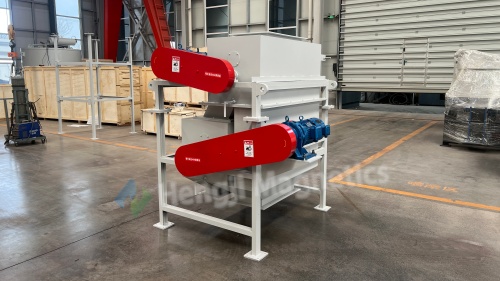
Rare earth dry drum magnetic separator combines rare earth magnetic force with dry processing to remove fine iron from powders, with no demagnetization and low energy use.
Rare Earth Dry Drum Magnetic Separator: Rare Earth-Level Magnetic Force for Dry Processing
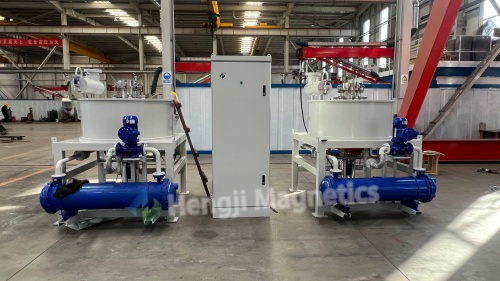
Dry electromagnetic food grade magnetic separators ensure safe, thorough iron removal from food powders with hygienic stainless steel construction and oil-cooled electromagnetic coils.
Food Grade Magnetic Separators and Dry Electromagnetic Separator: Ensuring Safe and Thorough Iron Removal in Food Powders