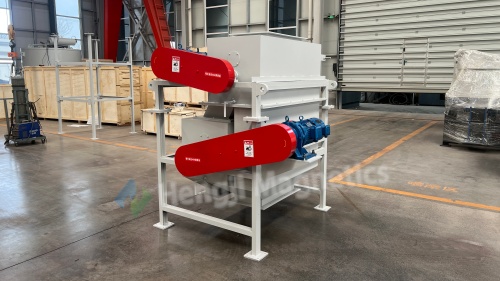
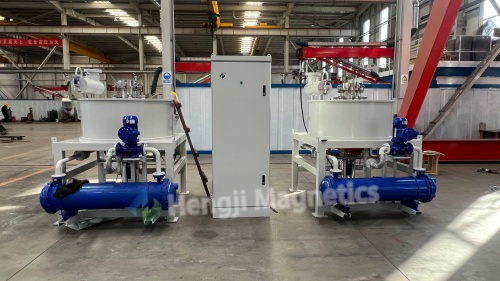
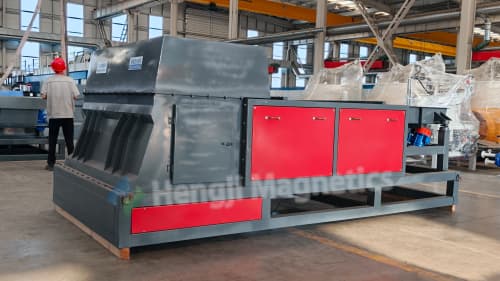
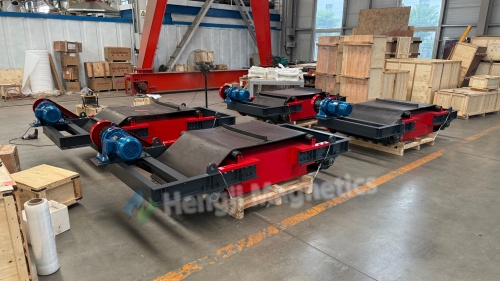
Installation Pitfalls: Common Errors That Halve Your Wet High Intensity Plate Magnetic Separator's Performance
Investing in a wet high intensity magnetic separator is a commitment to achieving superior mineral purity and recovery. However, the advanced technology of a plate magnetic separator can be critically undermined before it even processes its first ton of material. The most sophisticated magnetic circuit is powerless against fundamental installation and setup errors. Avoiding these common mistakes is the difference between realizing your ROI and struggling with persistent underperformance.
Mistake #1: A Weak Foundation & Improper Leveling
This foundational error sabotages stability, the very prerequisite for precise separation in a wet high intensity magnetic separator.
-
The Error: Installing the unit on an inadequate floor or un-reinforced frame, and failing to level it accurately with a precision instrument.
-
The Cost: A plate magnetic separator relies on a stable, uniform slurry flow across its magnetic bed. A shaky base causes harmful vibration, disrupting slurry flow and preventing consistent particle capture. Furthermore, if the magnetic plate itself is not perfectly level, the belt will track unevenly, creating zones of poor magnetic contact. This directly crushes both recovery rates and concentrate grade.
-
The Fix: Build a robust, reinforced concrete or heavy steel frame foundation. Before any other adjustment, use a machinist's level to meticulously level the entire unit, using the magnetic plate as your primary reference plane.
Mistake #2: Ignoring Belt Tracking Alignment
A misaligned belt is the most visible and destructive operational fault in a plate magnetic separator.
-
The Error: Allowing the belt to run off-center ("tracking") and either ignoring it or adjusting the tensioners incorrectly.
-
The Cost: The belt must travel centered over the magnetic plate to ensure all material receives full magnetic exposure. A misaligned belt reduces the effective separation width, causing valuable material to bypass the high-field zone. It also causes rapid, uneven wear on the belt edges and seals, leading to premature failure and slurry leaks. Your wet high intensity magnetic separator cannot perform to its design specification with a mistracking belt.
-
The Fix: After leveling, run the unit with water only. Observe the belt path and use the adjustment screws systematically: tighten on the side the belt is moving toward, or loosen the opposite side. Make small, incremental adjustments until the belt runs perfectly centered. This is not a "set-and-forget" task; periodic checks are essential.

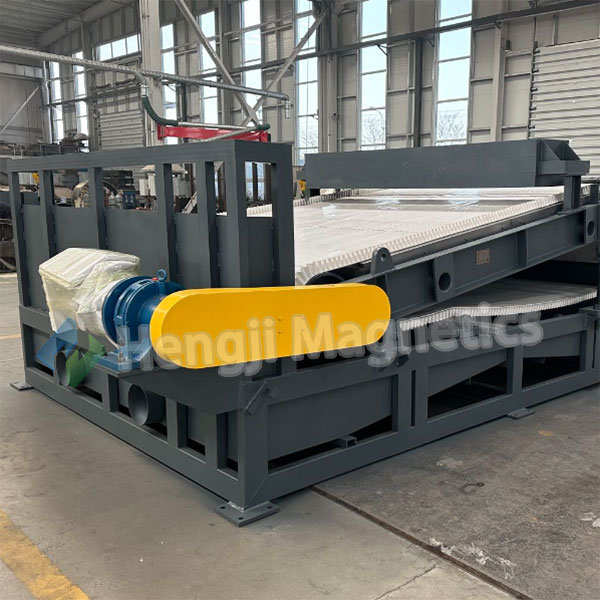
Mistake #3: Poor Feed & Water System Setup
The separation process in a wet high intensity magnetic separator is governed by the laws of fluid dynamics and magnetic force. Uncontrolled input destroys this balance.
-
The Error: Connecting unstable, pulsing feed lines and failing to calibrate the critical water spray bars for slurry conditioning, rinsing, and concentrate cleaning.
-
The Cost: Fluctuating feed volume or density causes surging in the separation zone. This leads to inconsistent residence time—sometimes washing particles through too fast, other times causing overflow. Incorrect water pressure at the rinse sprays fails to properly liberate non-magnetic particles, contaminating the magnetic concentrate. A properly tuned plate magnetic separator is a symphony of controlled flow; without it, the result is noise.
-
The Fix: Ensure a steady, regulated feed supply. During commissioning, carefully adjust every water valve. Optimize the feed slurry density, the "fluidizing" wash water over the plate, and the final rinse spray pressure to achieve a clean, sharp split between magnetic and non-magnetic products.
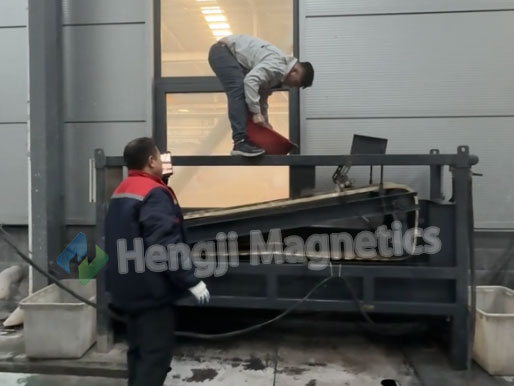
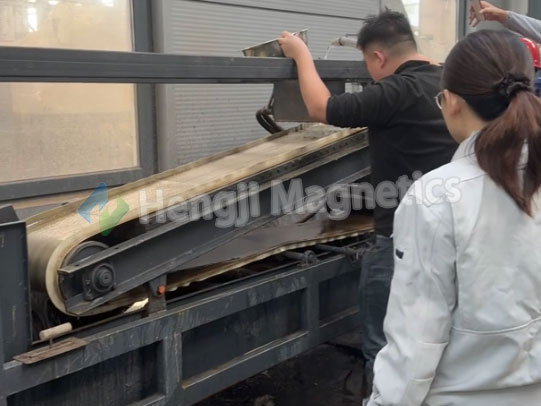
Mistake #4: Neglecting Basic Operational Discipline
The longevity and consistent performance of your plate magnetic separator depend on simple, disciplined routines.
-
The Error: Failing to flush the unit after shutdown, neglecting regular lubrication, and ignoring basic belt tension checks.
-
The Cost: Dried, cemented concentrate on the belt or plate creates drag and abrasion, damaging surfaces. Unlubricated bearings seize. A loose belt slips and creates inconsistent feed travel. These neglects slowly degrade the performance of your wet high intensity magnetic separator, leading to a gradual but inevitable decline in efficiency and unexpected breakdowns.
-
The Fix: Enforce a strict shutdown sequence: stop feed, keep the belt and sprays running to flush all material clear. Follow the manufacturer's lube schedule for all bearings. Establish a daily visual check for belt tension and tracking.
Conclusion: Protect Your Investment from Day One
The power of a wet high intensity magnetic separator is unlocked through precision engineering and equally precise installation. By avoiding these four critical pitfalls—securing the foundation, mastering belt alignment, controlling the feed and water, and adhering to simple maintenance—you ensure your plate magnetic separator operates as a reliable, high-performance asset. Don't let easily avoided setup errors compromise your process goals and capital investment. Start right, to perform right.
Troubleshooting Your Permanent Magnetic Drum: Fixing Belt Misalignment, Carryover & Poor Separation
Uninterrupted Protection: The Advanced Inline Magnetic Grate Separator for Continuous Processes
Related Article