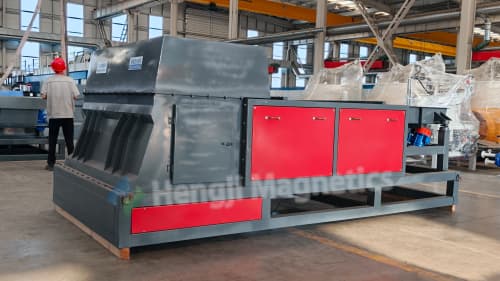
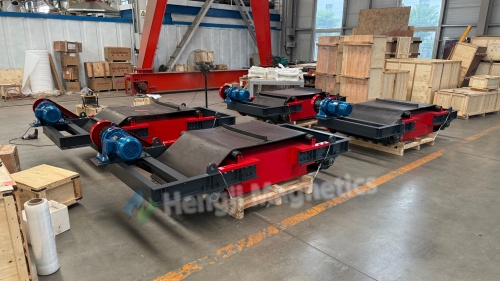
Dry High Intensity Magnetic Separator: Boosting Efficiency in Magnetic Separation of Iron Ore
2026-06-02
In arid northwestern mining regions, water is scarce. Traditional wet magnetic separation becomes impractical. How can we efficiently recover iron concentrate from coarse ore using only magnetic force? This is the challenge that the dry high intensity magnetic separator meets.
It is not a simple “water removal” adaptation of wet separators. Instead, it is a complete redesign of magnetic circuits and separation paths for dry material flow. Understanding how this equipment achieves efficient magnetic separation of iron ore is the first step toward lower costs, wider application, and higher returns.
In this article, we explore the working principles, adaptability, maintenance benefits, and full-chain value of this innovative technology.
How Does a Dry High Intensity Magnetic Separator Solve Low Dry‑Recovery Problems?
Many customers worry about dry processing. Without water to help disperse particles, dry ore tends to agglomerate. This makes it difficult to separate magnetic particles from non‑magnetic gangue. The result is low recovery or unstable concentrate grade.
The dry high intensity magnetic separator overcomes this with a dynamic magnetic circuit and advanced material dispersion. Inside the machine, a high‑speed rotating magnetic roll uses high‑grade rare earth Neodymium magnets. These create an extremely high‑gradient dynamic field.
The rapid rotation generates a constantly changing field. This actively disrupts particle agglomerates. Ore is fed by a special vibratory feeder as a thin, uniform layer onto the rotating roll surface.
The powerful magnetic field gradient attracts individual particles. It also breaks weak agglomerates. The machine effectively magnetizes and lifts magnetite, hematite, or limonite. Meanwhile, the high‑speed rotation generates centrifugal force. This ejects non‑magnetic gangue along a distinct trajectory.
Operators can steplessly adjust roll speed and magnetic angle. This allows precise control over the magnetic separation of iron ore. They can balance concentrate grade and tailings loss.
For example, lowering the roll speed increases residence time in the field. This improves capture of fine weakly magnetic particles. Raising the speed boosts throughput for coarser, strongly magnetic feeds. This flexibility delivers both high recovery and high grade.


Adapting to Different Iron Ore Sizes
Iron ore feed can range from 0 to 12 mm or more. The dry high intensity magnetic separator is highly adaptable. Its unique feed distribution design controls how material spreads across the magnetic zone.
This ensures that both coarse lumps and fine particles receive full separation opportunity. The vibratory feeder can be tuned to adjust amplitude and frequency. This creates an optimal monolayer feed for any particle size distribution.
Ensuring Long‑Term Stability
Long‑term stability is a major advantage of this equipment. The permanent magnetic circuit is fully sealed inside a stainless steel drum or roll. It is completely isolated from the material.
There is no magnet wear or corrosion from dust or moisture. Magnetic strength remains stable for over ten years under normal operating conditions. The drive system uses a variable‑frequency drive for energy savings. It also eliminates mechanical shock during start‑stop.
This soft start feature extends the life of bearings and gears.
Daily Maintenance Is Simple
Daily maintenance is limited to bearing lubrication and electrical panel cleaning. There are no cooling systems to manage. No filter media to replace. No water treatment chemicals to handle.
The simple construction gives the dry high intensity magnetic separator high availability and low spare parts consumption. Many users report less than two hours of maintenance per month.


Full‑Chain Value: From Pre‑concentration to Final Cleaning
The dry high intensity magnetic separator is valuable in multiple stages of magnetic separation of iron ore. It is not only for roughing or waste rejection.
Pre‑concentration after crushing:
Discard 30‑50% of qualified tailings upfront. This greatly reduces load on downstream grinding and wet magnetic separation. It cuts energy and steel ball consumption.
Discard 30‑50% of qualified tailings upfront. This greatly reduces load on downstream grinding and wet magnetic separation. It cuts energy and steel ball consumption.
For every ton of waste rejected early, you save grinding costs. You also extend the life of downstream equipment. This is the single biggest cost saver in many dry processing plants.
Final cleaning:
With proper screening and drying, the machine effectively upgrades iron concentrate grade. This is especially true for complex ores where magnetite is intergrown with gangue.
With proper screening and drying, the machine effectively upgrades iron concentrate grade. This is especially true for complex ores where magnetite is intergrown with gangue.
Dry‑process, dry‑discharge dramatically simplifies water circulation and tailings management. No thickeners, no filter presses, no tailings ponds are needed. This is particularly attractive in regions with strict environmental regulations or limited water rights.
In‑circuit scavenging:
The same machine can be used to retreat middlings or clean up recirculating loads. Its ability to handle varying feed rates makes it an ideal scavenger unit.
The same machine can be used to retreat middlings or clean up recirculating loads. Its ability to handle varying feed rates makes it an ideal scavenger unit.
Real‑World Proven Performance
Whether as a primary separator or an auxiliary unit, the dry high intensity magnetic separator has been proven in many mines. These include operations in Africa, Australia, and South America.
Operators report iron recoveries exceeding 85% from feeds that previously could not be economically processed dry.
Why Choose Dry Over Wet for Magnetic Separation of Iron Ore?
Water scarcity is not the only reason to choose dry processing. Dry magnetic separation of iron ore eliminates the need for water supply infrastructure. This includes pipelines, pumps, and settling ponds.
It also eliminates water treatment and recycling systems. No dewatering of concentrate and tailings is required. There are no freeze risks in cold climates.
Dry processing reduces the environmental footprint of the mine. It simplifies permitting. The dry high intensity magnetic separator delivers these benefits without sacrificing performance.


Conclusion: The Strategic Choice for Dry Iron Ore Processing
Water scarcity is not going away. For mines in dry regions, the dry high intensity magnetic separator offers a proven path. It delivers efficient magnetic separation of iron ore without water.
It features adjustable field strength, high adaptability to particle size, and extremely low maintenance. From pre‑concentration to final cleaning, it maximizes recovery. It cuts downstream costs and simplifies tailings handling.
Invest in the right dry high intensity magnetic separator. Turn your dry ore into profit.
Magnetic Grate Separator: Redefining Inline Magnetic Separator Standards for Powder Purification
Grain Magnetic Separator: How Magnetic Separating Grates Protect Flour, Rice & Feed Processing
Related Article
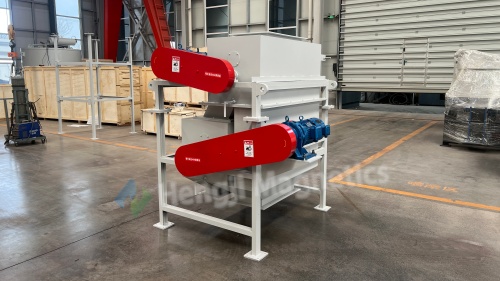
Rare earth dry drum magnetic separator combines rare earth magnetic force with dry processing to remove fine iron from powders, with no demagnetization and low energy use.
Rare Earth Dry Drum Magnetic Separator: Rare Earth-Level Magnetic Force for Dry Processing
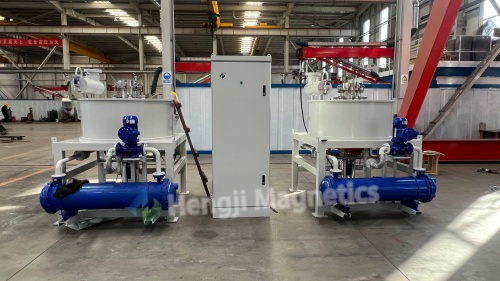
Dry electromagnetic food grade magnetic separators ensure safe, thorough iron removal from food powders with hygienic stainless steel construction and oil-cooled electromagnetic coils.
Food Grade Magnetic Separators and Dry Electromagnetic Separator: Ensuring Safe and Thorough Iron Removal in Food Powders