Eddy Current Metal Separator: Efficient Eddy Current Waste Separation for Copper and Aluminum Recovery
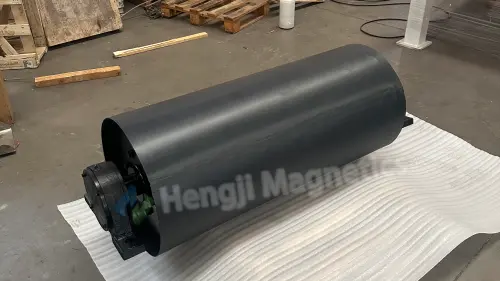
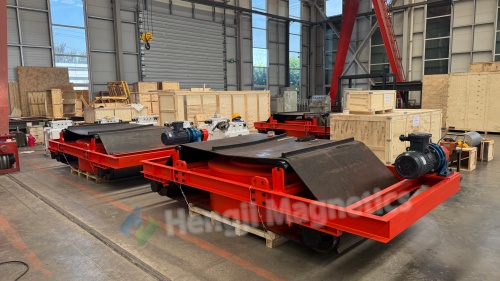
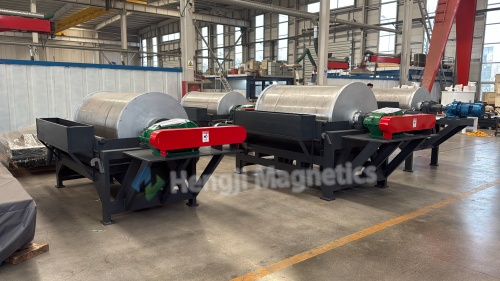
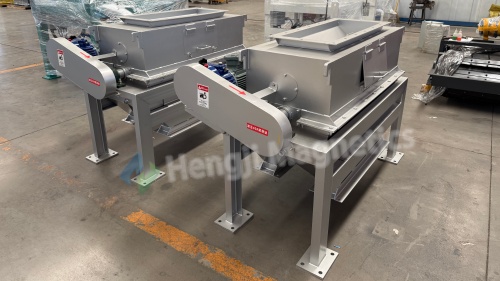
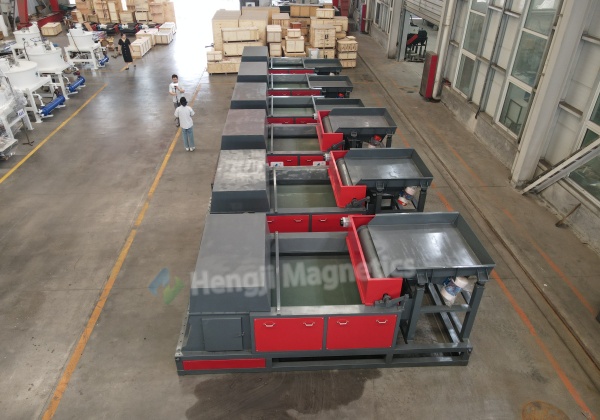
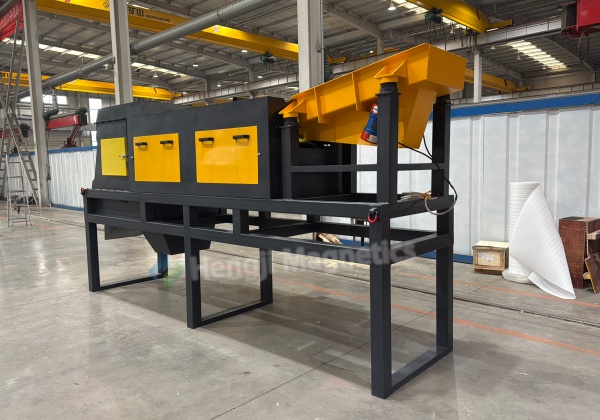
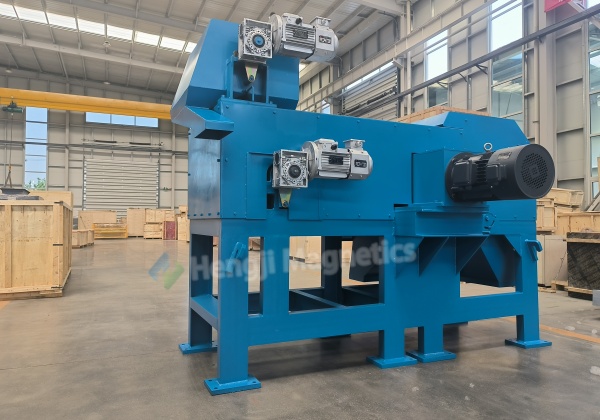
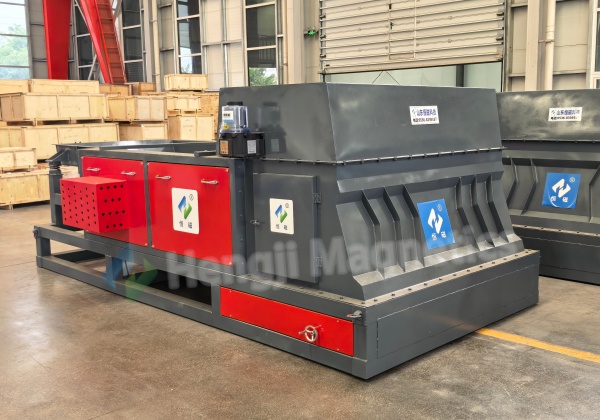
In municipal solid waste, industrial scrap, e-waste, glass cullet, waste plastic doors and windows, boiler bottom ash, and auto shredder residue, copper and aluminum are valuable. But they are mixed with plastic, rubber, glass, and wood. Manual sorting is slow and impractical. The eddy current metal separator is designed for waste sorting. Hengci Magnetic builds the machine with a main body and a control cabinet. The body includes the magnetic separation assembly, drive motor, frame, and housing. The separation assembly contains a permanent magnetic drum and a material conveying system. This article explains how the eddy current metal separator performs eddy current waste separation, how ferrous material is controlled, how the splitter plate is adjusted, how installation and wiring are handled, a field case, maintenance, troubleshooting, and selection.
How the Eddy Current Metal Separator Achieves Eddy Current Waste Separation
Working Principle of Eddy Current Metal Separator
Customers often ask how the machine picks out copper and aluminum. The separation principle is based on two physical phenomena: a time-varying alternating magnetic field always accompanies an alternating electric field, and a current-carrying conductor generates a magnetic field. During operation, a high-frequency alternating strong magnetic field is generated on the separation rotor surface. When conductive non-ferrous metals pass through this field, eddy currents are induced inside the metal. These eddy currents generate a magnetic field opposite to the original field direction. The non-ferrous metal is propelled forward along the conveying direction by the repulsive force. It separates from other non-metallic materials. The main criterion for eddy current waste separation is the ratio of conductivity to density. Materials with a higher ratio separate more easily than materials with a lower ratio. This is the core principle of the eddy current metal separator.
Key Components of the Eddy Current Metal Separator
Ferrous Control Before Eddy Current Waste Separation
Why Ferrous Material Must Be Removed Upstream
Protecting the Eddy Current Metal Separator in Recycling Lines
Adjusting the Eddy Current Metal Separator for Accurate Separation
Splitter Plate Adjustment
Belt Tracking and VFD Settings
Installation and Wiring for the Eddy Current Metal Separator
Leveling and Fixing the Machine
Electrical Connection
Case Study: Eddy Current Metal Separator in E-Waste Dismantling
Improving Copper and Aluminum Recovery
An e-waste dismantling line processed shredded refrigerator and washing machine material. The mix contained copper, aluminum, plastic, and a small amount of residual iron. Manual sorting on the belt was labor-intensive. Copper and aluminum recovery was unstable. Iron pieces sometimes scratched the belt in the separation section. Hengci Magnetic supplied an eddy current metal separator for this line. Residual iron was removed upstream first to prevent large amounts of ferrous material from entering the machine. In the separation section, material was spread evenly by the vibratory feeder. Conductive copper and aluminum particles jumped forward under the high-frequency alternating magnetic field of the separation rotor and landed in the non-ferrous collection area. Plastic and other non-metallic materials fell along their original trajectory. After commissioning, manual sorting was reduced. Copper and aluminum recovery became more stable. Belt scratching was controlled. This case demonstrates the value of the eddy current metal separator in eddy current waste separation.
Maintenance and Troubleshooting
Wear Parts and Lubrication
Common Faults and Solutions
Safety Checks for Eddy Current Waste Separation
Conclusion: Choose the Right Eddy Current Metal Separator
Cross Belt Electro Magnetic Separator: Correct Positioning to Stop Tramp Iron from Slipping Through
Permanent Magnetic Drum Separator and Permanent Wet Magnetic Separator for Slurry Iron Removal
Related Article