Cross Belt Electro Magnetic Separator: Correct Positioning to Stop Tramp Iron from Slipping Through
Why the Cross Belt Magnetic Separator Needs Correct Installation Positioning
Head Pulley and Mid-Conveyor Installation
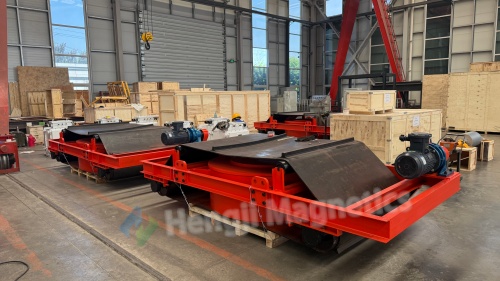
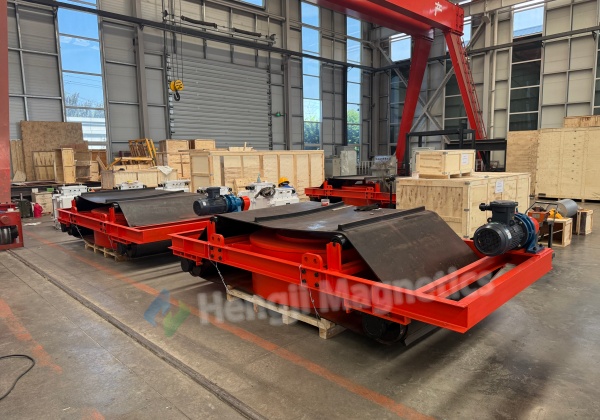
Customers often report that tramp iron still slips through. The cause is often installation position and height. The cross belt magnetic separator is usually installed at the head or middle of the belt conveyor. It lifts ferrous material from the stream and ejects it with the discharge belt. This prevents longitudinal belt tearing and protects crushers and mills. For inclined installation at the conveyor head, if belt speed is high, the unit can be placed slightly away from the pulley. The material trajectory helps lift tramp iron. If belt speed is low, move the unit closer to the pulley. The pulley should be non-magnetic. For horizontal installation, the discharge belt should run perpendicular to the main conveyor. The electro magnetic separator can be installed above the conveyor, picking station, or vibrating screen. Non-magnetic idlers can be installed below the unit.
Suspension Height and Magnetic Center Alignment
Suspension height and magnetic center alignment are often compromised on site. The initial suspension height should not exceed the H value given in the parameter table. Measure according to the installation drawing. For inclined installation, check both height and inclination angle. If conditions allow, keeping the suspension height at the H value improves iron removal. For inclined installation, align the highest point of material trajectory from the conveyor head with the magnetic center. For horizontal installation, keep the lower discharge belt working surface parallel to the material conveyor. The distance between the magnetic centerline and the pulley centerline depends on pulley radius, belt speed, material properties, viscosity, and separator inclination. A common recommendation is to set this distance equal to the pulley radius.
Discharge Methods for the Electro Magnetic Separator
Automatic Discharge During Normal Operation
How iron is discharged is where this machine differs from manual-clean models. To discharge iron, turn on the discharge belt switch. The discharge belt runs in its working direction. It scrapes iron off and sends it into the collection hopper. This automatic discharge keeps the cross belt magnetic separator running without manual intervention.
Manual Discharge During Fault Conditions
If the discharge belt or drive motor fails and iron removal is still needed, stop material conveying first. Place a collection box under the separator working face. The collection box must be made of non-magnetic material. De-energize the electro magnetic separator so the magnetic field disappears. Iron loses attraction and falls into the collection box by gravity. This dual-path design—automatic discharge in normal operation and de-energized discharge in fault conditions—is valued on continuous production lines.
Energy-Saving Operation and Case Study
Metal Detector Control for Low-Iron Lines
Lines with low iron content can save energy. A metal detector can be added to the cross belt magnetic separator. The separator operates only when the detector signals tramp iron. If the detector fails, the system can switch to continuous operation. This control method reduces power consumption while maintaining protection.
Case Study: Coal Preparation Plant
A coal preparation plant used a manual-clean iron removal device on its main conveyor. Iron accumulated and required shutdown for removal. Cleaning gaps occurred during shift changes. Iron slipped through and caused downstream equipment wear. Belt speed was low, and space at the conveyor head was limited. Hengci Magnetic supplied a cross belt electro magnetic separator for this site. Because belt speed was low, the unit was moved closer to the pulley. The suspension height was kept within the parameter value. The highest material trajectory point was aligned with the magnetic center. Captured iron was scraped into the collection hopper by the discharge belt. No power-off manual cleaning was required. After commissioning, manual iron removal was eliminated. Iron entering downstream equipment was controlled. This case demonstrates the value of the electro magnetic separator in real production.
Installation Rules and Safety
Gearbox Position and Lifting
During installation, keep the gearbox working position as level as possible. If tilting is necessary, the maximum tilt angle should generally be less than 12 degrees, and the output shaft end should face downward. If the angle exceeds this limit, measures must be taken to ensure sufficient lubrication and prevent oil leakage. The frame has lifting eyes for installation. The rigging must have sufficient strength and allow height adjustment. If suspension space is limited, use a combination of shackles and turnbuckles, anchor chains, wire ropes, or steel rods. These installation details keep the cross belt magnetic separator reliable.
Power-On Checks and Safety Precautions
Connect power first. The power indicator on the control panel should light up. Turn the output adjustment knob to a suitable position. Check magnetic attraction and record current and voltage values. If no abnormality is found, the unit can be put into normal use. Higher current produces higher magnetic field strength. The setting should be decided according to site conditions. The control cabinet should be placed in a dry, ventilated area. Outdoor installation requires rain protection and secure fixing. The site should be free from explosion hazards and corrosive gases. Indoor and outdoor use are both acceptable, but outdoor use requires rain protection. A strong magnetic field is present around the electro magnetic separator. Do not place watches or instruments nearby. Operators must not carry sharp ferrous tools or objects close to the unit.
Conclusion: Choose the Right Cross Belt Electro Magnetic Separator
Selecting a cross belt magnetic separator and electro magnetic separator means matching belt width, belt speed, material layer thickness, material properties, iron size and frequency, and available suspension space. Provide these details to Hengci Magnetic. We will configure the installation method, suspension height, cooling method, and discharge control. With the right cross belt electro magnetic separator, tramp iron is intercepted before it reaches downstream equipment. Production runs more smoothly, maintenance costs drop, and equipment life improves.
Magnetic Pulley Separator and Permanent Magnetic Separator for Iron Removal Under the Material Layer
Eddy Current Metal Separator: Efficient Eddy Current Waste Separation for Copper and Aluminum Recovery
Related Article