
Magnetic Pulley Separator and Permanent Magnetic Separator for Iron Removal Under the Material Layer
2026-11-24
In cement, mining, steel, abrasives, refractories, non-metallic mineral processing, carbon black, grain, feed, chemical, and waste treatment industries, tramp iron pressed under the material layer is difficult to remove. Suspended-type equipment often cannot reach it. The magnetic pulley separator combined with a permanent magnetic separator design solves this problem. It is a rotary permanent magnetic iron removal device. The drum contains a high-performance composite magnetic system. It provides high field strength, deep magnetic penetration, and low demagnetization over years of use. The machine is simple and compact. It is easy to install and reliable. It does not consume power to generate the magnetic field, saving energy. This article explains magnetic strength selection, installation position, drum surface options, material temperature, a field case, installation rules, and safety.
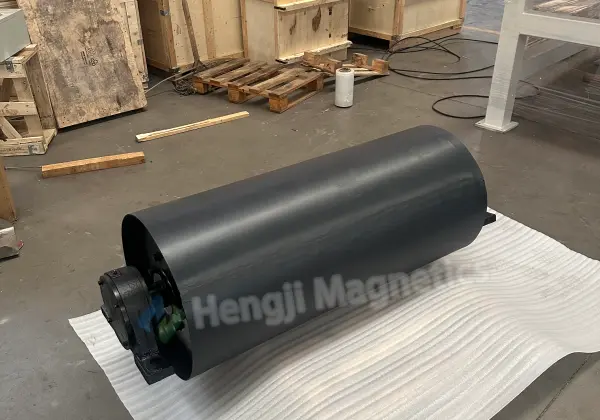
How the Magnetic Pulley Separator Removes Iron Beneath the Material Layer
Rotary Permanent Magnetic Design
Customers care most about whether the magnetic force can be matched to their material. The magnetic pulley separator uses a rotary permanent magnetic design. The drum surface peak field strength can be customized from 800 to 5,500 Gauss. Other versions list field strength by grade. Standard models provide 150 to 250 mT. Special models provide 300 to 600 mT. Custom values are available. Materials with weak magnetism and thick layers should use a higher magnetic strength grade. Easily separated materials can use the standard model. There is no need to choose the highest configuration for every application. The permanent magnetic separator should be selected based on the actual material and working conditions.
Why the Drum Design Reaches Iron Under the Layer
The drum is installed on a belt conveyor. For removing tramp iron pressed under the material, the magnetic pulley separator performs better than a suspended separator. When used with a conveyor, the drum can be installed at the head of the belt conveyor as a drive pulley. Material is thrown out tangentially under gravity. Magnetic particles are acted upon by magnetic force greater than gravity. They move with the drum surface or with the belt covering the drum surface. Beyond the magnetic field range, they detach by gravity and centrifugal force. This is how the permanent magnetic separator separates iron that is buried under the material layer.
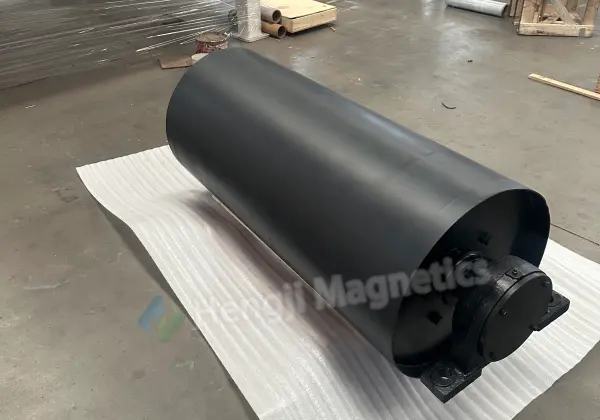
Drum Surface Options and Temperature Limits
Stainless Steel and Rubber Lagging
The pulley shell surface affects long-term performance. The magnetic pulley separator uses a stainless steel shell. The outer surface can be supplied as plain stainless steel or rubber-lagged. Rubber lagging options include plain, diamond, and herringbone patterns. The magnetic field is stable and maintenance-free. Under normal conditions without external environmental impact, natural magnetic decay is small and service life is long. For abrasive materials, rubber lagging provides better wear resistance. For applications requiring a clean drum surface, plain stainless steel is more suitable. The permanent magnetic separator should be configured with the right surface for the material.
Material Temperature and Environmental Conditions
Material temperature and environmental conditions must be confirmed before ordering. Standard permanent magnetic equipment has a limited magnet temperature tolerance. The maximum material temperature is generally not more than 80°C. Above this temperature, a high-temperature model must be used. Overheating can cause the magnetic field to drop rapidly and eventually reach zero. Some specifications list a limit of 50°C. These are different versions. Always follow the manual for the specific model. The magnetic pulley separator should be selected with the correct temperature rating.
Case Study: Magnetic Pulley Separator in Abrasive Material Processing
Reducing Iron Leakage Under Thick Layers
A non-metallic mineral processing company processed abrasive materials. Some tramp iron was pressed at the bottom of the material layer. The previous suspended iron removal equipment often missed small iron pieces buried underneath. These pieces entered downstream equipment and caused wear. The material layer was thick, and there was no good position to add another suspended unit. Hengci Magnetic supplied a magnetic pulley separator for this duty. The drum field strength grade was selected according to material conditions and layer thickness. The drum surface treatment was selected according to site wear conditions. The equipment was installed on the belt conveyor. Tramp iron pressed in the lower layer was carried out of the magnetic field by the drum surface and dropped into the iron collection end. After commissioning, iron leakage decreased. The equipment was included in the routine inspection schedule. This case demonstrates the value of the permanent magnetic separator and magnetic pulley separator in real production.
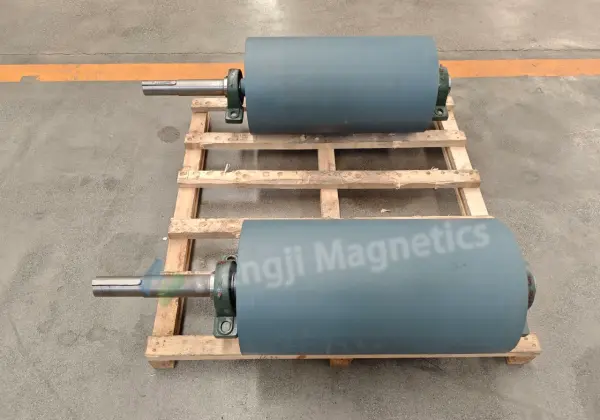
Installation and Safety
Installation Checks and Wiring
Before installation, check all parts for damage, deformation, or corrosion. Install the motor control cabinet in an accessible location with moisture and water protection. Connect wiring according to the arrow direction on the magnetic roller. The magnetic pulley separator should be installed according to the manual. These steps ensure reliable operation.
Vibration and Magnetic Field Safety
Do not subject the equipment to strong vibration during use. Strong vibration can permanently demagnetize the magnet or break it. A strong magnetic field is present around the permanent magnetic separator. Do not place watches or instruments nearby. Operators must not carry sharp ferrous tools or objects close to the unit. These precautions prevent injury and equipment damage.
Conclusion: Choose the Right Magnetic Pulley Separator and Permanent Magnetic Separator
Selecting a magnetic pulley separator and permanent magnetic separator means matching material name, particle size, moisture content, material layer thickness, material temperature, and conveyor parameters. Provide these details to Hengci Magnetic. We will configure the magnetic strength grade, drum surface treatment, and installation position. With the right magnetic pulley separator and permanent magnetic separator, tramp iron under the material layer is captured before it reaches downstream equipment. Production runs more smoothly, maintenance costs drop, and equipment life improves.
Cross Belt Electro Magnetic Separator: Correct Positioning to Stop Tramp Iron from Slipping Through
Related Article
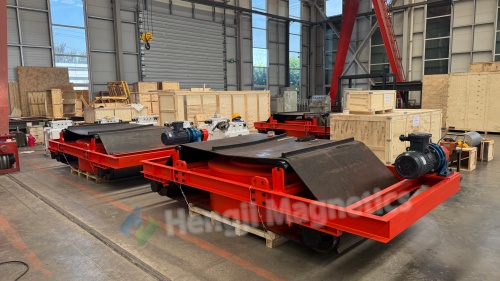
The cross belt electro magnetic separator combines cross belt and electromagnetic separation to remove tramp iron from conveyor belts with correct positioning and automatic discharge.
Cross Belt Electro Magnetic Separator: Correct Positioning to Stop Tramp Iron from Slipping Through
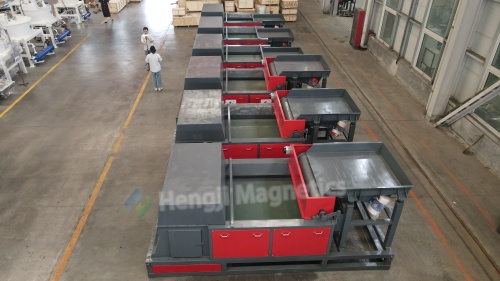
The eddy current metal separator uses eddy current waste separation to recover copper and aluminum efficiently from mixed waste while protecting the belt from ferrous damage.
Eddy Current Metal Separator: Efficient Eddy Current Waste Separation for Copper and Aluminum Recovery
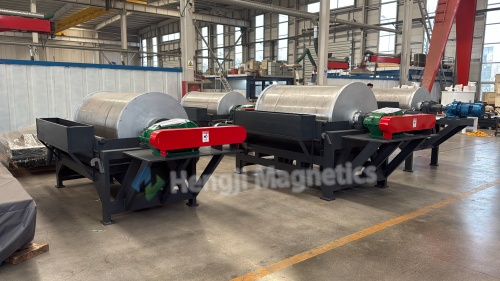
The permanent wet magnetic drum separator combines strong permanent magnetic force and continuous wet separation to recover fine magnetic iron from slurry and reduce tailings loss.
Permanent Magnetic Drum Separator and Permanent Wet Magnetic Separator for Slurry Iron Removal
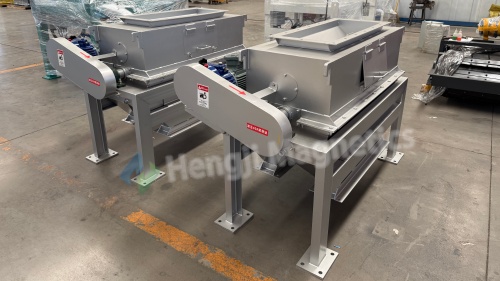
The dry permanent magnetic drum separator combines strong permanent magnetic force and flexible splitter control to reduce tailings loss and stabilize grade in dry powder and iron ore pre-concentration.
Dry Permanent Magnetic Drum Separator: Controlling Tailings and Improving Grade in Dry Pre-Concentration