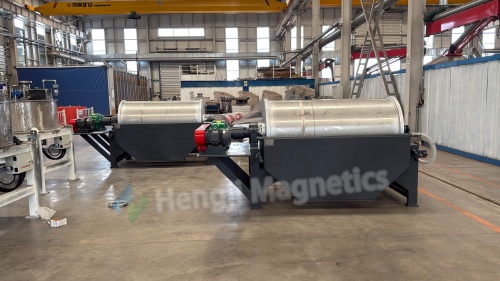
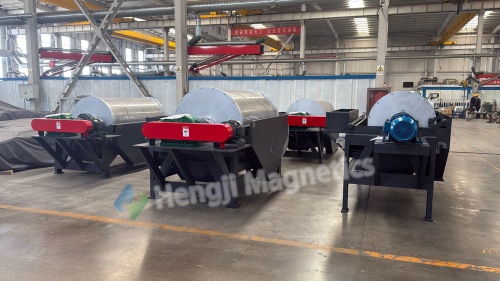
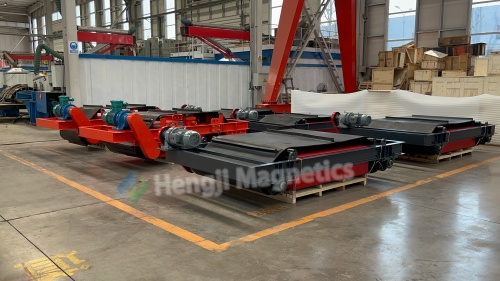
Crossbelt Magnetic Separator Selection Guide for Ore Conveyor Protection
Choosing the right magnetic separator is crucial for protecting your valuable downstream equipment and ensuring product purity. For robust ore magnetic separator applications on busy conveyor lines, the crossbelt magnetic separator is a top choice. But selecting the correct model isn't guesswork—it's a precise match to your specific conveyor system and material load. This guide walks you through the two most critical factors to ensure you get optimal protection and performance.
The First Critical Factor: Matching Your Conveyor Belt Width
-
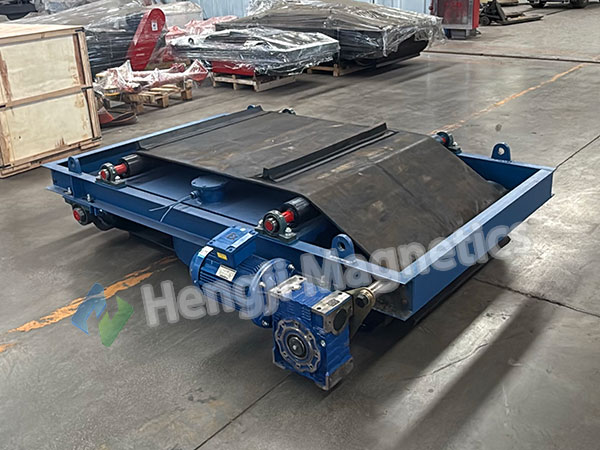
Why It Matters: An undersized unit will leave unprotected zones at the belt edges where tramp metal can slip through. All technical specifications are based on corresponding belt widths. Your first step is simple: measure your belt width and select a crossbelt magnetic separator series designed for that range to ensure full-width protection for your ore magnetic separator needs.
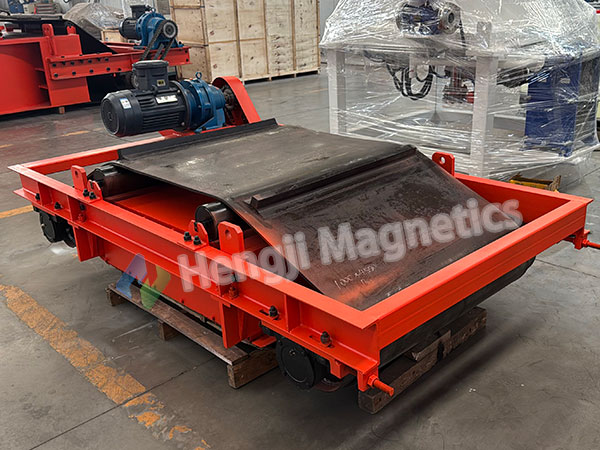
The Second Critical Factor: Understanding Your Material Burden Depth
-
Why It Matters: A separator with insufficient magnetic strength or reach will only clean the top layer. For a reliable ore magnetic separator, the magnetic field must be powerful enough to pull heavy ferrous pieces from the deepest part of the bed. You must assess the maximum normal and peak thickness of material on your belt. A thicker burden requires a crossbelt magnetic separator with a higher magnetic grade (e.g., a T3 or T4 model) and greater "reach" or "penetration depth."
Key Performance Interplay: Belt Speed and Material Type
-
Belt Speed: How fast does the material travel? Higher speeds mean captured metal has less time to be extracted from the flow. A faster line may require a stronger or longer crossbelt magnetic separator to ensure effective removal.
-
Material Characteristics: Is your ore dense and heavy, or lighter and free-flowing? Denser material can shield tramp metal, requiring more magnetic force. Abrasive materials also inform the choice of belt and wear liner quality on the crossbelt magnetic separator.
Installation and Environmental Considerations
The perfect technical match must also fit your site's practical realities.
-
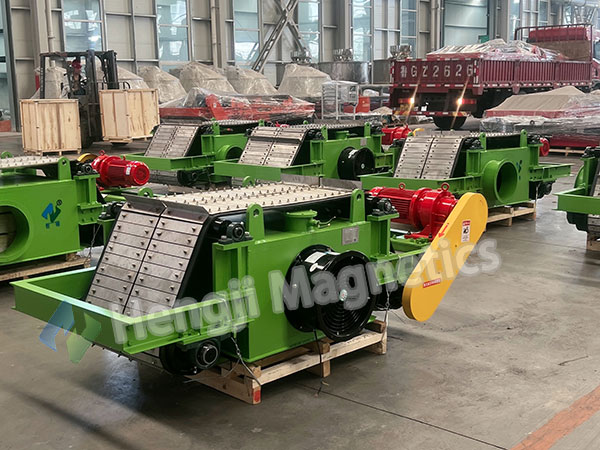
Installation Type: Determine if you have space for a standard over-belt (horizontal) installation or if an inclined (in-line) crossbelt magnetic separator is needed for tighter headroom.
-
Operating Environment: Is the separator installed indoors or outdoors? For an outdoor ore magnetic separator application, ensure the model is rated for weather exposure. In hazardous areas, you must select a properly certified explosion-proof (ATEX) version.

Your Step-by-Step Selection Checklist
-
Measure: Record your conveyor belt width (B) and maximum material burden depth (H).
-
Identify: Use manufacturer charts to find crossbelt magnetic separator models matching your belt width.
-
Specify: From that shortlist, choose the magnetic strength (e.g., T-rating) capable of handling your burden depth (H) and the expected size/weight of tramp metal.
-
Refine: Provide your belt speed and material type to the supplier for final validation.
-
Confirm: Specify installation type and any special environmental requirements (outdoor, wash-down, explosive atmospheres).
Conclusion: The Right Fit Maximizes Your Investment
Need help? The most reliable path is to share your detailed conveyor specifications with our technical team for a guaranteed performance recommendation.
Your Rare Earth Magnetic Separator Needs a Check-Up: The Essential Preventive Maintenance & Performance Guide
Engineered for Uptime: The Easy-Clean Pipeline Self Cleaning Magnetic Separator
Related Article