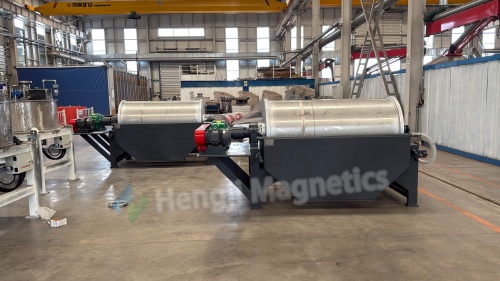
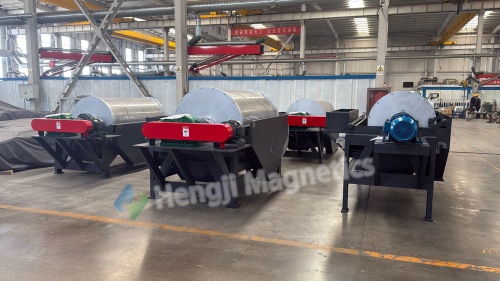
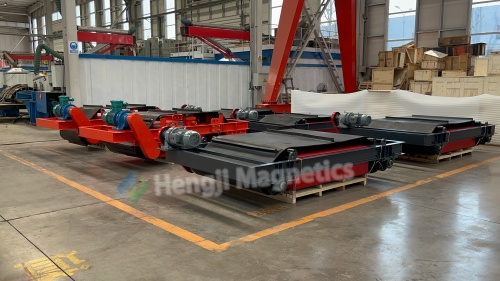
Taming Energy Costs: 3 Key Checkpoints for Your Dry Magnetic Separator and Electro Magnetic Separator
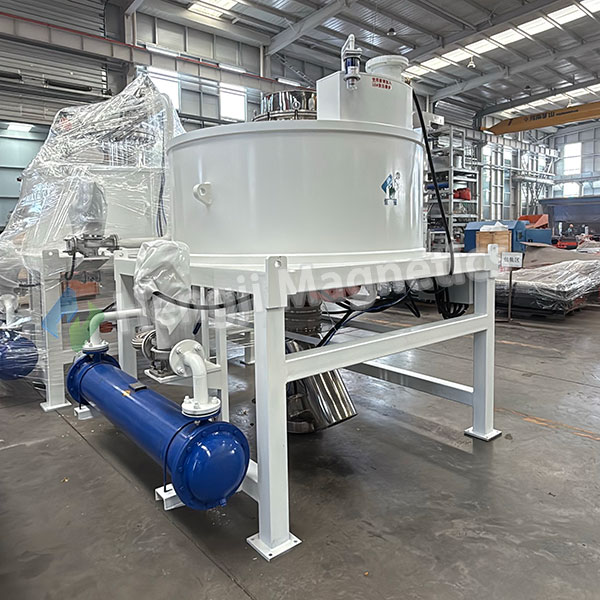
Checkpoint 1: The Excitation System – Your Largest Energy Load
-
The "Always-On" Drain: The most common waste is continuous operation. If your dry magnetic separator runs 24/7 regardless of material flow, it consumes full power during "empty" periods. Modern solutions involve integrating a metal detector. This allows the electro magnetic separator to activate only when ferrous contamination is detected, slashing energy use, especially in low-iron feedstock.
-
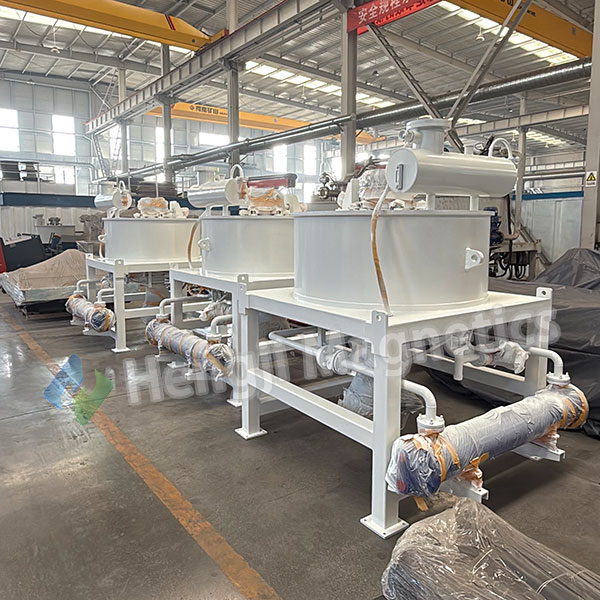
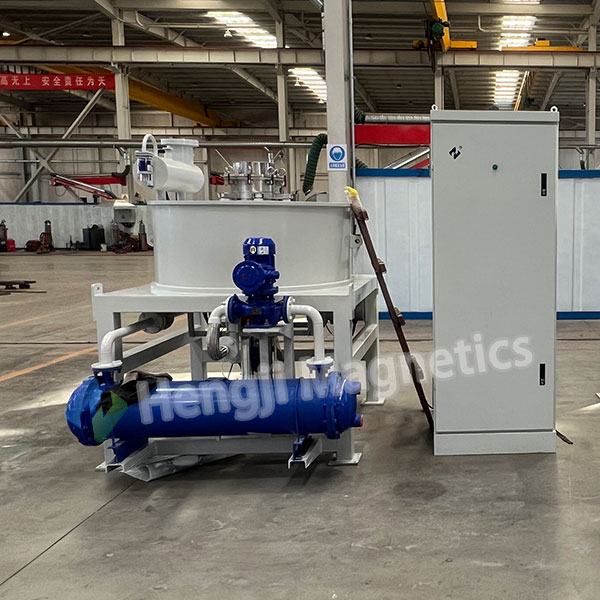
Cooling & Current Inefficiency: An overheated coil increases electrical resistance. The control system may compensate by driving more current to maintain magnetic strength, creating a cycle of high energy use and component stress. Ensure cooling fins (on air-cooled models) or oil circulation (on sealed models) are clean and functional to maintain peak electro magnetic separator efficiency.
Checkpoint 2: The Drive & Mechanical Systems – Hidden Friction Points
-
Vibrator Motor Resonance: In a dry magnetic separator, vibrators ensure even material flow. If the motor frequency matches the unit's natural resonance, energy is wasted as violent, damaging vibration instead of productive movement. Adjust the frequency to find a smooth, efficient operating point.
-
Cleaning Belt & Cooling Overhead: The self-cleaning belt motor and any cooling fans should run only as needed. A misaligned or over-tightened belt increases friction. Fans running constantly in a cool environment waste electricity. Optimize cleaning cycles and ensure mechanical components are aligned and lubricated to minimize the auxiliary energy draw of your dry magnetic separator.
Checkpoint 3: Installation & Infrastructure – The Foundational Leaks
-
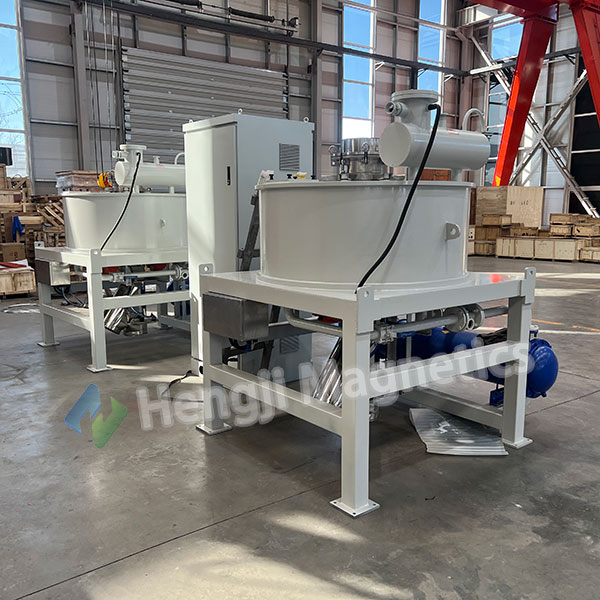
Undersized Power Cables: This is a critical, often overlooked issue. An electro magnetic separator demands significant current. If supply cables are too small, they act like a resistor, wasting energy as heat before it even reaches the coil. This forces the system to draw more current to compensate. Always verify that cable gauges meet or exceed the manufacturer's specifications for your dry magnetic separator model.
-
Improper Physical Installation: For units with a discharge belt, excessive installation tilt (beyond 15 degrees) strains gearboxes and bearings. The motor must work harder against this added friction, increasing energy consumption. Ensure the separator is installed as level as possible for optimal mechanical efficiency.
Your Action Plan for Lower Energy Bills
Diagnosing high energy costs in your electro magnetic separator is a systematic process:
-
Audit the Operating Mode: Is it running continuously? If so, a metal detector upgrade offers the highest return on investment.
-
Measure Core Performance: Monitor the steady-state excitation current and operating temperature. Compare them to the nameplate ratings for your dry magnetic separator.
-
Listen and Observe: Check for abnormal vibration or misaligned components. Ensure ancillary systems only run when necessary.
-
Inspect the Basics: Verify cable sizes and installation levelness to eliminate fundamental power losses.
Conclusion: Efficiency is a Feature, Not an Accident
A well-maintained and optimally configured dry magnetic separator is a cost-effective asset. By proactively checking these three key areas—excitation strategy, mechanical health, and installation integrity—you transform your electro magnetic separator from a passive utility into an actively managed component of an efficient, sustainable operation. The savings from reduced energy consumption and prevented downtime directly enhance your bottom line. Start your diagnostic check today and plug the leaks in your magnetic separation process.
The Secret of Magnetic Grate Separators: Eliminating Blind Spots with Magnetic Rod Arrays
Your Rare Earth Magnetic Separator Needs a Check-Up: The Essential Preventive Maintenance & Performance Guide
Related Article