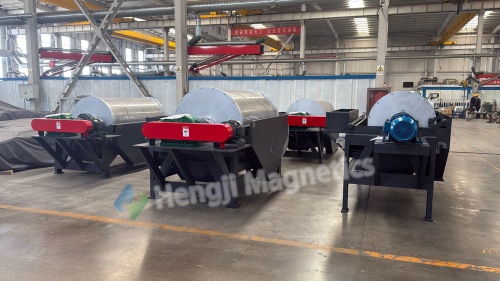
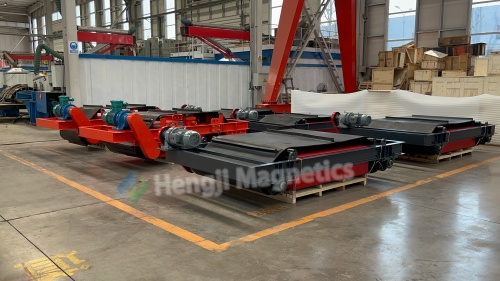
Eddy Current Magnetic Separator: How Magnetic Separation of Mixtures Recovers Non-Ferrous Metals from Waste
2026-05-19
In recycling and environmental processing, separating valuable non-ferrous metals like aluminum and copper from mixed waste has long been a challenge. Traditional magnetic equipment only captures ferrous materials. The solution is the eddy current magnetic separator, a machine specifically designed for the magnetic separation of mixtures that contain conductive non-ferrous metals. This article explains how it works, what materials it handles, and how to install and maintain it for reliable operation.

How Does an Eddy Current Magnetic Separator Work for Magnetic Separation of Mixtures?
Many customers ask: how can it separate aluminum from plastic? The principle is elegant physics. Inside the eddy current magnetic separator, a high-speed rotating magnetic rotor generates a rapidly alternating, strong magnetic field. When a conductive non-ferrous metal—such as aluminum or copper—passes through this field, eddy currents are induced within the metal. These eddy currents create their own opposing magnetic field, producing a powerful repelling force. The metal is propelled forward, while non-conductive materials like plastic, rubber, and glass simply fall straight down. This is the essence of magnetic separation of mixtures using an eddy current magnetic separator. It acts like an invisible catapult for non-ferrous metals.
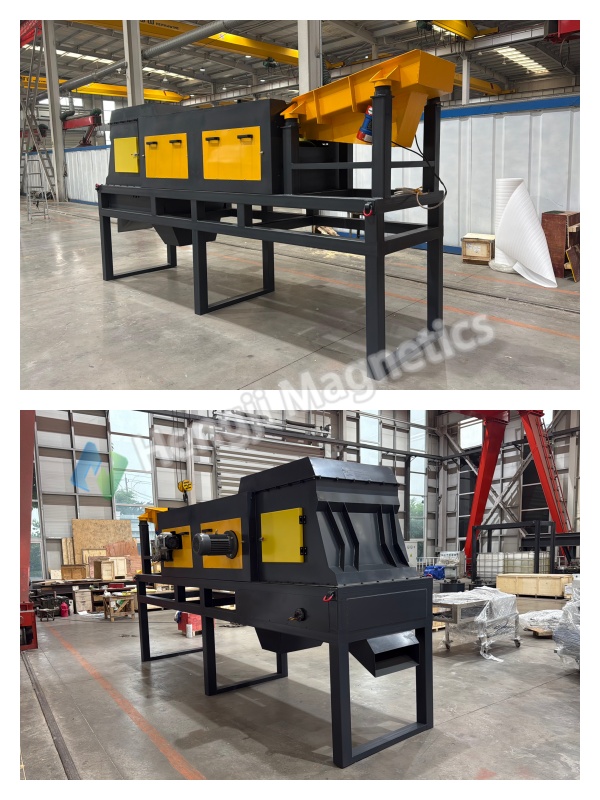
What Materials Can an Eddy Current Magnetic Separator Handle?
This technology is incredibly versatile. An eddy current magnetic separator is used wherever magnetic separation of mixtures is needed to recover non-ferrous metals:
-
Electronic waste recycling: Recovering copper and aluminum from shredded circuit boards and appliance dismantling lines.
-
Municipal solid waste & industrial scrap: Sorting aluminum cans, aluminum shreds, and copper from waste streams.
-
Automotive recycling: Separating aluminum or copper from shredded vehicle scrap.
-
Glass recycling: Removing aluminum caps and copper rings from crushed glass to improve purity.
-
Plastic recycling: Removing metal contaminants from plastic regrind to protect downstream equipment.
-
Boiler bottom ash processing: Recovering valuable non-ferrous metals from combustion ash.
If your mixed waste contains conductive non-ferrous metals, an eddy current magnetic separator is the key to efficient magnetic separation of mixtures.
Is Installation Complicated? What Should I Watch For?
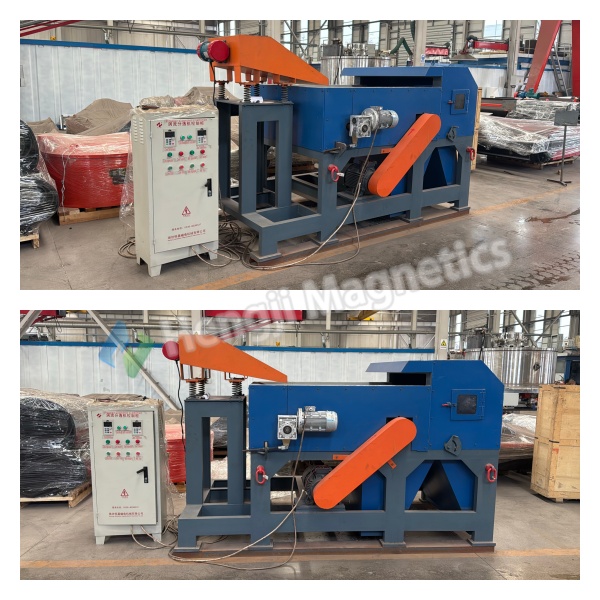
Installing an eddy current magnetic separator is straightforward, but a few points are critical for effective magnetic separation of mixtures.
-
Leveling & anchoring: Place the unit on a level floor. Use a spirit level and shims to adjust. Anchor securely with bolts.
-
Electrical connection: Connect AC415V three-phase power to the control cabinet. Internal wiring for belt and rotor motors is pre-installed.
-
Belt tracking: After startup, if the belt drifts, adjust the bearing bolts on the tail pulley. Proper belt tension allows about 10-15mm of deflection under thumb pressure.
-
Frequency adjustment: Use the potentiometer on the control panel to adjust the rotor frequency (clockwise higher, counterclockwise lower) for different materials.
-
Splitter adjustment: This is critical for separation quality. Feed a small sample, observe the trajectory of ejected metals, and fine-tune the splitter plate position until you achieve a clean split.
What About Daily Maintenance and Common Pitfalls?
An eddy current magnetic separator requires regular attention to lubrication and avoiding ferrous contamination.
-
Lubrication: Check and lubricate bearings and gearboxes every 15–20 days. Use #3 lithium grease in summer, #1 or #2 in winter.
-
The iron warning: This is the most important rule. An eddy current magnetic separator cannot process large amounts of ferrous material. Iron sheets will tear the belt, and iron entering the rotor can generate intense eddy currents that instantly burn the drum’s protective layer. Always install a magnetic separator upstream to remove bulk ferrous materials before magnetic separation of mixtures.
-
Other checks: Periodically tighten bolts, inspect the belt for embedded metal, keep the unit clean and ventilated, and protect from rain during long shutdowns.
Conclusion
The eddy current magnetic separator is an essential tool for modern recycling and environmental processing. By enabling precise magnetic separation of mixtures, it turns waste streams into valuable non-ferrous metal resources. With correct installation, careful splitter adjustment, and regular maintenance—especially protecting against ferrous overload—it will reliably recover aluminum, copper, and other non-ferrous metals, maximizing your return on waste.
High Intensity Magnetic Separator: How Industrial Magnetic Separation Equipment Breaks Purification Limits
Cross Belt Magnetic Separator on Conveyor: Selection, Installation & Use
Related Article
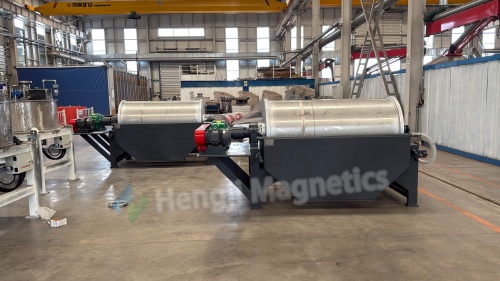
Rotary wet drum magnetic separator combines rotary and wet drum designs for continuous slurry separation, improving concentrate grade and reducing magnetic iron in tailings.
Rotary Drum Magnetic Separator and Wet Drum Magnetic Separator: Continuous Slurry Separation

High intensity dry magnetic drum separator combines strong magnetic force with dry processing, removing fine iron from powders without demagnetization.
High Intensity Dry Magnetic Drum Separator: Strong Magnetic Force for Dry Powder Iron Removal