Urban Mine Unlocked: Eddy Current Metal Separator Test for Copper & Aluminum Recovery
With rapid electronic device turnover, end-of-life refrigerators and appliances create a growing stream of e-waste. This "urban mine" holds valuable copper and aluminum, but extracting it efficiently is a major challenge. Shredded e-waste is a complex mix of metals, plastics, and glass. Traditional sorting methods are slow and inefficient. Our solution? A field test of the HECS Eddy Current Magnetic Separator, a specialized eddy current metal separator designed to tackle this exact problem. The results reveal a powerful tool for boosting recovery and profit.

The Challenge: Sorting the E-Waste Mix
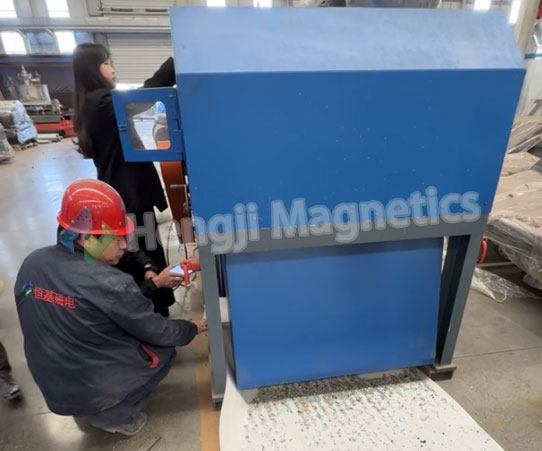
The Test Setup: Simulating a Real Recycling Line
-
Feedstock: Shredded material from a refrigerator recycling line.
-
Goal: Efficiently separate copper and aluminum from non-metallics.
-
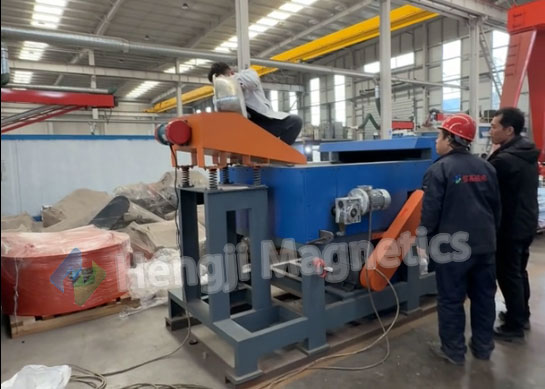
Equipment: The HECS eddy current metal separator, placed after a primary magnet to remove ferrous metals.
Core Technology: How the Eddy Current Separator Works
-
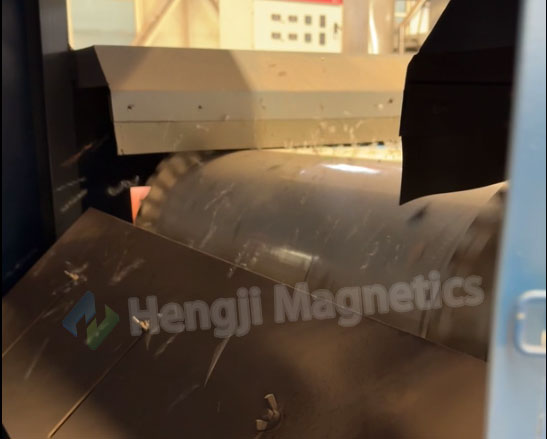
Creating the Force: A high-speed, multi-pole magnetic rotor inside the machine generates a rapidly changing magnetic field.
-
The "Repulsion" Effect: When conductive metals (like copper and aluminum) pass through this field, eddy currents are induced within them.
-
The Separation: These eddy currents create a magnetic field that repels the metal particle, "jumping" it off the conveyor trajectory and into a separate collection chute.
-
Non-Metals Fall Through: Non-conductive materials (plastic, glass, wood) feel no repulsive force. They follow their natural path off the conveyor, completing the separation.
Observed Results: Efficiency in Action
-
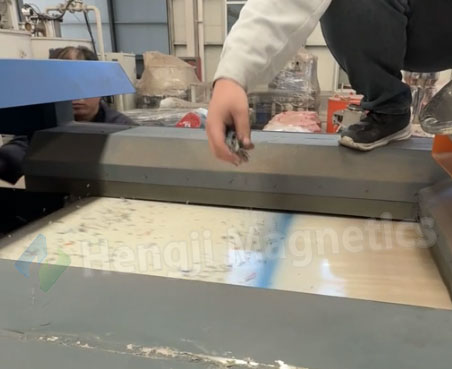
Clear Separation Streams: A clean split was visible: a stream of copper/aluminum fragments leaping forward, and a stream of inert plastics and glass falling straight down.
-
High-Purity Output: The collected metal fraction showed high concentration of copper and aluminum, significantly reducing downstream sorting needs.
-
Consistent Performance: The eddy current metal separator maintained this performance throughout the continuous test run, handling the variable feed without clogging or performance drop.
A Critical Pre-Sorting Step: Protecting Your Equipment
-
The Problem with Iron: Large or bulky ferrous (iron/steel) pieces are dangerous. They can cut the conveyor belt and overheat inside the separator, damaging the rotor.
-
The Proven Solution: A standard magnetic drum or pulley must be installed upstream. This "pre-cleaning" stage removes ferrous metals, protecting the sensitive eddy current metal separator and ensuring its longevity. This two-stage process is the industry-standard, high-efficiency setup.
The Tangible Benefits for Your Business
-
Increased Metal Recovery: Captures non-ferrous metals that traditional magnets miss, directly increasing revenue.
-
Reduced Labor Costs: Automates the most difficult separation task, minimizing manual picking.
-
Higher Purity Output: Produces a cleaner metal fraction that commands a better market price.
-
Supporting Sustainability: Maximizes resource recovery from waste, contributing to a circular economy and enhancing your company's environmental profile.
Conclusion: A Key to Unlocking E-Waste Value
Driving Ceramic Purity Forward: Hengji Showcases Magnetic Separation Equipment at Key Industry Forum
Purity Unleashed: The Electro Magnetic Separator Test for Magnesium Hydroxide
Related Article