Mounting Methods for Cross Belt Magnetic Separators: Technical Choices for QX (Inclined) and SP (Horizontal) Installation
2026-04-13
The effectiveness of a cross belt magnetic separator depends not only on its magnetic power but also on how it is mounted. The wrong mounting choice can lead to poor tramp iron capture, accelerated component wear, and unnecessary downtime. For any electrozavod magnetic separator intended for continuous duty in power plants or heavy industrial lines, understanding the two primary installation configurations—QX (inclined) and SP (horizontal)—is essential. This guide explains each method, when to use it, and the critical technical points that ensure reliable performance.
The Two Core Mounting Configurations for Cross Belt Magnetic Separators
Whether you are installing a new cross belt magnetic separator or upgrading an existing electrozavod magnetic separator, the first decision is the installation angle relative to the conveyor.
QX Mounting (Inclined Installation)
This configuration is specifically designed for the head or discharge end of a belt conveyor. The cross belt magnetic separator is mounted at an angle, following the trajectory of the material as it leaves the belt.
When to Use QX Mounting:
-
The separator is positioned at the conveyor head pulley.
-
The goal is to capture tramp iron as material is discharged, taking advantage of the natural parabolic trajectory.
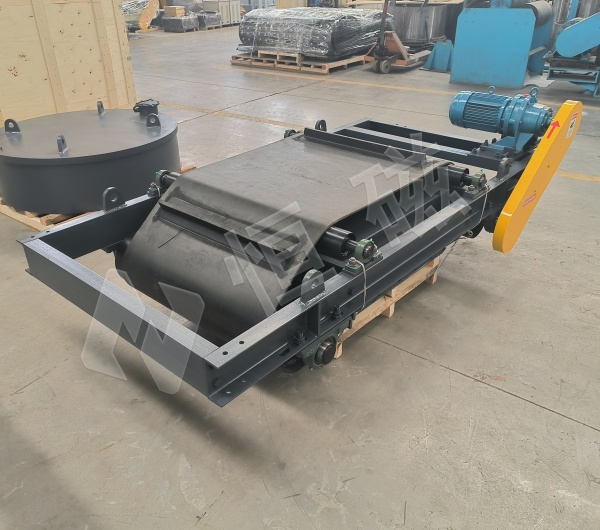
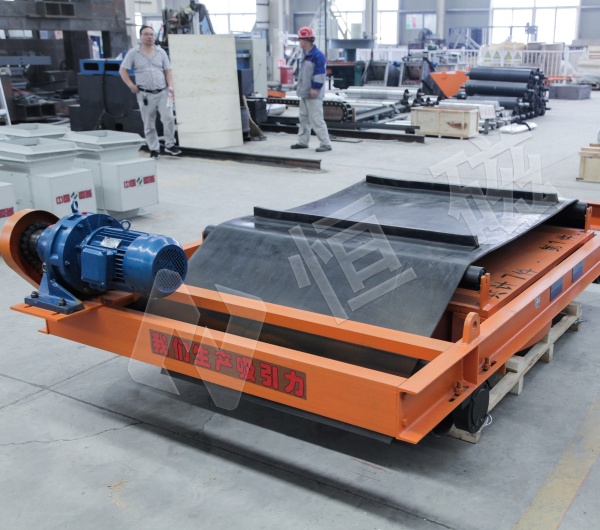
Technical Considerations for QX Installation:
-
Belt Speed Matters: For conveyors operating above 2 meters per second, the material trajectory is pronounced. Mount the electrozavod magnetic separator slightly further from the head pulley to allow the falling material to expose buried tramp iron.
-
Low Speed Adjustment: Below 2 meters per second, the trajectory is flatter. Move the cross belt magnetic separator closer to the head pulley to capture iron before it changes direction.
-
The "H" Dimension: The distance between the magnetic centerline of the electrozavod magnetic separator and the head pulley centerline is critical. A reliable starting point is H equals the pulley radius. This baseline must be fine-tuned based on belt speed, material characteristics, and moisture content.
-
Pulley Material: For best results, use non-magnetic pulleys (stainless steel) at the head position. Magnetic pulleys can shield the field of the cross belt magnetic separator.
SP Mounting (Horizontal Installation)
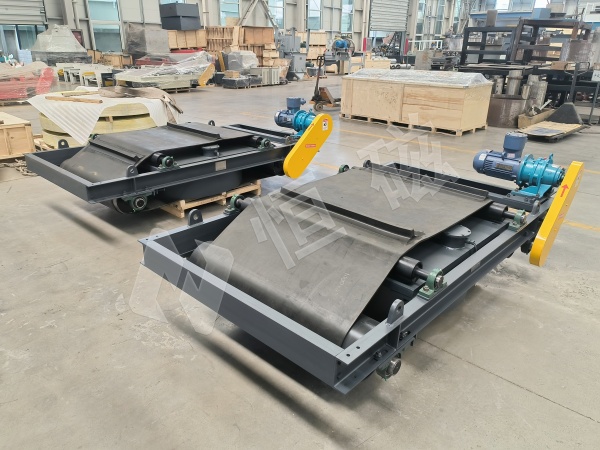
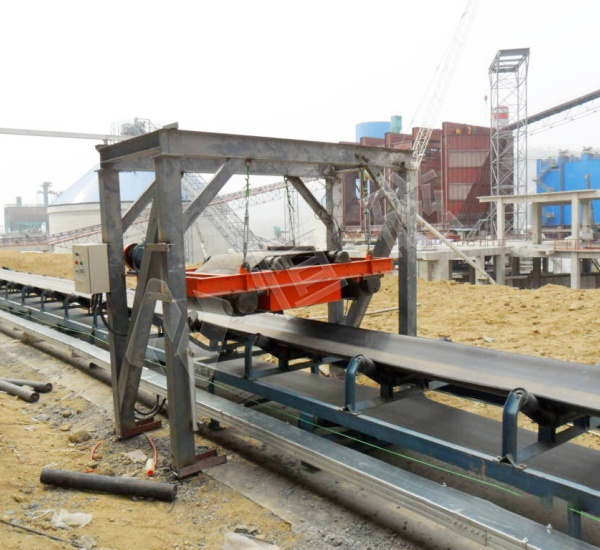
This is the standard overhead configuration. The cross belt magnetic separator is mounted horizontally above the conveyor, typically over the carrying side of the belt.
When to Use SP Mounting:
-
The separator is installed over the middle of the conveyor, over a vibrating screen, or over a picking station.
-
The application requires vertical lifting of tramp iron from the material stream.

Technical Considerations for SP Installation:
-
Perpendicular Discharge: The discharge belt of the electrozavod magnetic separator must run perpendicular to the main conveyor direction, ejecting captured iron sideways into a collection bin.
-
Precise Centering: The magnetic centerline of the cross belt magnetic separator must be exactly aligned with the centerline of the conveyor belt below. Misalignment creates dead zones where tramp iron can pass undetected.
-
Non-Magnetic Idlers: Install non-magnetic (stainless steel or ceramic) idlers directly beneath the electrozavod magnetic separator to prevent the field from attracting standard steel idlers, which causes unnecessary wear and disrupts belt tracking.
Three Universal Suspension Methods for Cross Belt Magnetic Separators
Both QX and SP configurations can be implemented using three standard suspension techniques.
Fixed Suspension (Type A)
Rigid steel rods connect the four lifting eyes of the cross belt magnetic separator to fixed anchors above.
-
Best For: Permanent installations where the separator does not need to be moved for maintenance.
-
Advantages: Simple, rigid, low cost.
Chain Suspension with Trolley (Type B)
The electrozavod magnetic separator hangs from a trolley running on a monorail or twin-rail beam using four chains.
-
Best For: Installations requiring occasional movement to access downstream equipment.
-
Advantages: Allows the cross belt magnetic separator to be pulled aside for belt or idler maintenance.
Wire Rope Suspension with Trolley (Type C)
Similar to Type B, but using wire ropes and cable clamps instead of chains.
-
Best For: Applications where precise height adjustment or different load characteristics are needed.
-
Advantages: Flexible installation with good adjustability.

Universal Technical Requirements for Safe Mounting
Strength and Adjustability
All suspension components must be rated for the full weight of the electrozavod magnetic separator plus dynamic loads. The system must allow vertical adjustment to fine-tune the working gap between the magnet face and the conveyor belt.
Clearance for Moving Installations
If using trolley-mounted types B or C, ensure sufficient clearance for the cross belt magnetic separator to move fully off the conveyor line without obstruction.
Magnetic Field Safety
During mounting, adjustment, and maintenance, remember that the cross belt magnetic separator generates an extremely powerful magnetic field. Keep all ferrous tools, watches, phones, and instruments at a safe distance. Loose steel objects can become dangerous projectiles.

Conclusion: Mounting is the Foundation of Performance
A powerful electrozavod magnetic separator can only protect your conveyor line if it is mounted correctly. Choose QX inclined mounting for head-pulley installations, respecting belt speed and the H dimension. Choose SP horizontal mounting for mid-conveyor duty, with precise centering and non-magnetic idlers. Select fixed or movable suspension based on your maintenance access needs. With proper mounting, your cross belt magnetic separator transforms from a piece of equipment into a reliable, long-term guardian against tramp iron damage.
Permanent Magnetic Drum Separator Selection Guide: Choosing the Right Model for Your Material and Application
The Lifeline of Your Equipment: Why Cooling Systems Matter in Electro Dry Magnetic Separators
Related Article
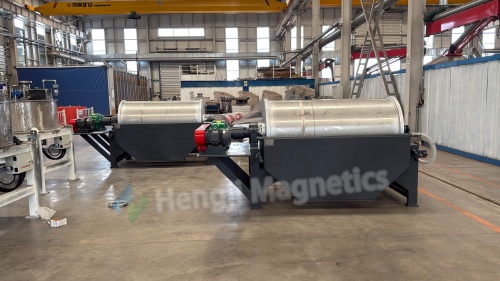
Rotary wet drum magnetic separator combines rotary and wet drum designs for continuous slurry separation, improving concentrate grade and reducing magnetic iron in tailings.
Rotary Drum Magnetic Separator and Wet Drum Magnetic Separator: Continuous Slurry Separation

High intensity dry magnetic drum separator combines strong magnetic force with dry processing, removing fine iron from powders without demagnetization.
High Intensity Dry Magnetic Drum Separator: Strong Magnetic Force for Dry Powder Iron Removal