Permanent Magnetic Drum Separator Selection Guide: Choosing the Right Model for Your Material and Application
In mineral processing, building materials, and chemical purification, the magnetic drum separator is a critical piece of equipment. But with so many models available—CTB, CTN, CTS, CTQ, RCT—how do you choose the right one? Selecting a permanent magnetic separator that is either oversized or underpowered can cost you in efficiency and product quality. This guide provides a clear, step-by-step process to help you specify the optimal magnetic drum separator for your unique application.
Step One: Define Your Core Material Requirements
The starting point for any permanent magnetic separator selection is understanding the material you need to process.
Material State: Dry or Wet?
-
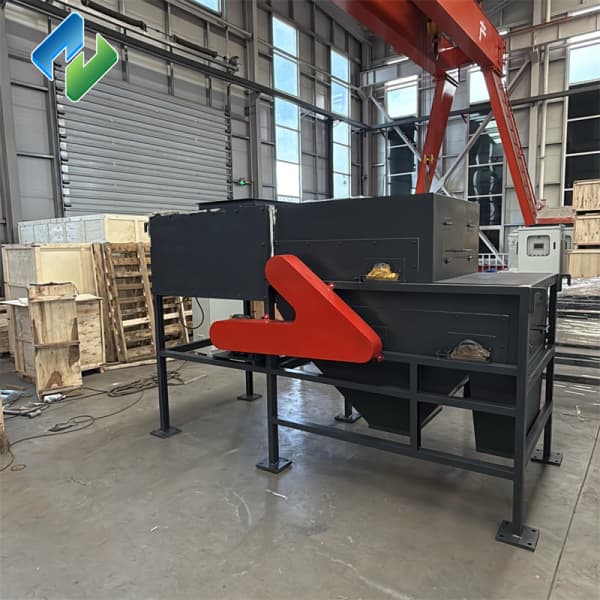
Dry Powders or Granules: Materials like abrasives, refractories, grains, plastic pellets, and chemical powders require a magnetic drum separator designed for dry service. Look at CTQ roll-type or CXJ drum-type permanent magnetic separator models. These typically include vibratory feeders for continuous, automatic iron removal.
-
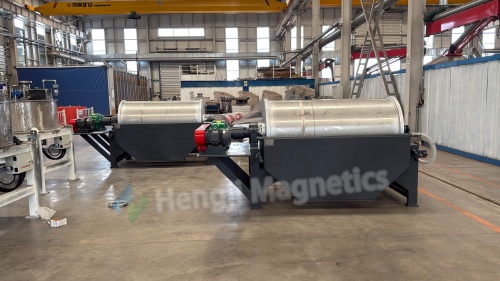
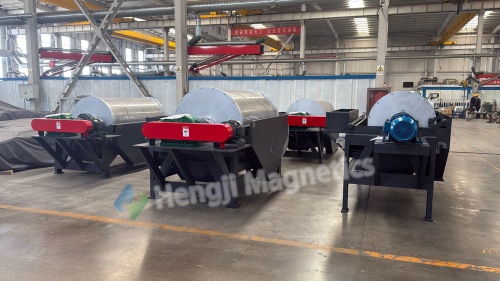
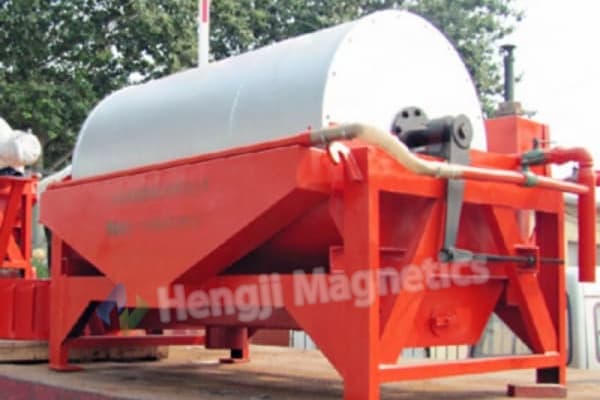
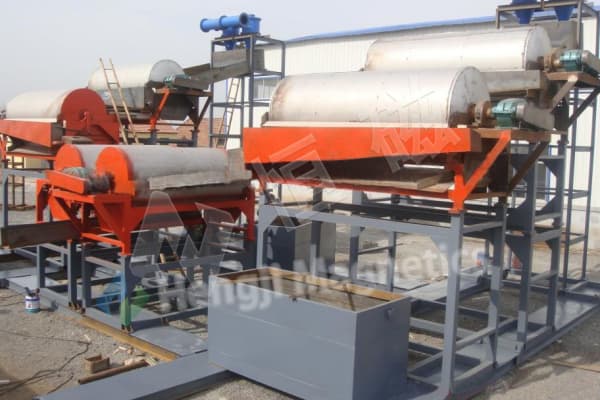
Slurries or Pulp: For magnetite, ilmenite, ceramic slurries (feldspar, quartz sand), or magnetic recovery from wastewater, you must select a wet magnetic drum separator. The CTB (counter-current), CTN (semi-counter-current), and CTS (concurrent) series are designed for these applications.
Magnetic Susceptibility: How Strong is the Magnetic Attraction?
-
Strongly Magnetic Minerals (e.g., Magnetite): Most permanent magnetic separator models will work. Focus on throughput and recovery rate.
-
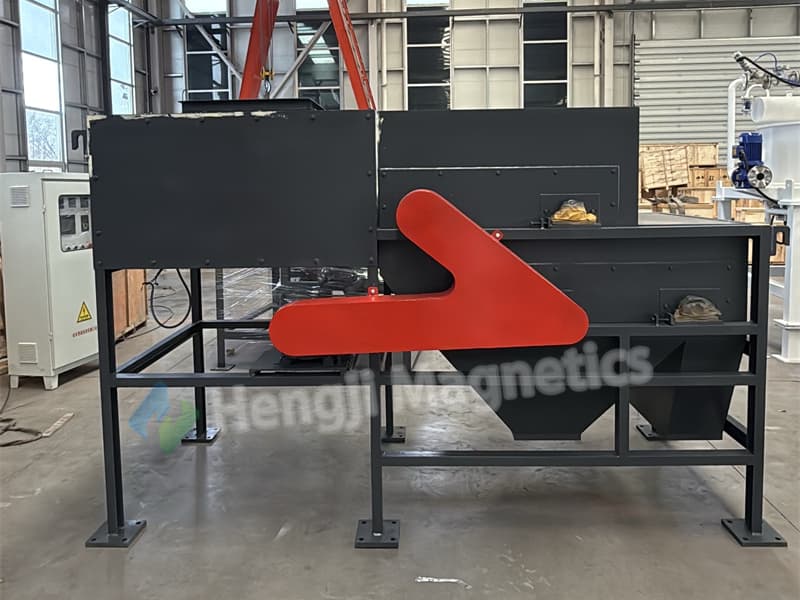
Weakly Magnetic Impurities (e.g., Hematite, Ilmenite, Mechanical Iron Rust): You need a magnetic drum separator with higher field strength and optimized magnetic circuit design. Look for models using Neodymium magnetic sources like the CTZ or RCT series.
Temperature and Corrosion Concerns
- Standard permanent magnetic separator units operate reliably up to 80°C. Exceed this, and magnetic strength decays rapidly. Specify high-temperature models for hot materials.
- For corrosive environments (chemical plants, marine installations), confirm that the magnetic drum separator has stainless steel 304 or 316L contact parts—drum shell, tank, and wetted surfaces.
Step Two: Quantify Your Key Performance Parameters
Throughput Capacity (Tons per Hour)
Magnetic Field Strength (Gauss or mT)
Product Quality Requirements
-
Concentrate Grade: For high-purity magnetic concentrate, consider multi-stage permanent magnetic separator circuits or models with specialized cleaning zones.
-
Tailings Purity: For applications with strict iron limits (premium ceramics, electronics), choose a magnetic drum separator with strong scavenging capability and high recovery, such as the counter-current (CTB) or semi-counter-current (CTN) wet models.


Step Three: Evaluate Installation and Maintenance Fit
Installation Type
-
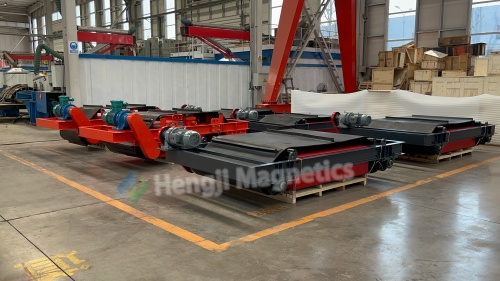
Drive Pulley Replacement: Models like the RCT and CTZ series magnetic drum separator directly replace the head pulley of a belt conveyor. This saves space and excels at removing tramp iron buried deep in material.
-
Standalone Unit: Most CTB, CTQ, and similar permanent magnetic separator models are independent machines requiring a dedicated foundation and power connection.
-
In-Line Insertion: Drawer-style CXJ or CBS units install directly into material pipes or chutes for a compact footprint.
Maintenance Considerations
-
Maintenance-Free Advantage: The magnetic circuit of a permanent magnetic separator is inherently stable. The core requires no maintenance, a major benefit.
-
Routine Maintenance Points: Focus on bearing lubrication (typically monthly grease) and drive components (gearbox oil changes every six months). For wet magnetic drum separator units, inspect nozzles and the tank for plugging.
-
Wear Parts: Ask your permanent magnetic separator supplier for a list of wear parts (scrapers, liners, belts), their expected life, and replacement cost to estimate long-term operating expenses.
Conclusion: The Most Reliable Step – Test with Your Material
Custom Food Grade Magnetic Grate Separators: Key Technical Questions You Need to Know
Mounting Methods for Cross Belt Magnetic Separators: Technical Choices for QX (Inclined) and SP (Horizontal) Installation
Related Article