Magnetic Ore Separator: Process Insights from Magnetic Separation Examples
2026-06-09
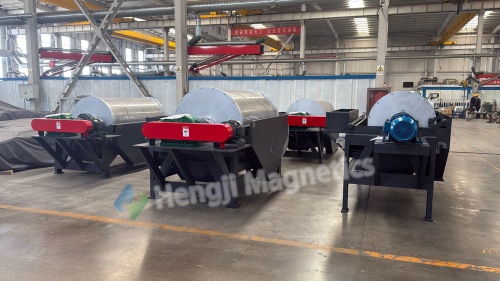
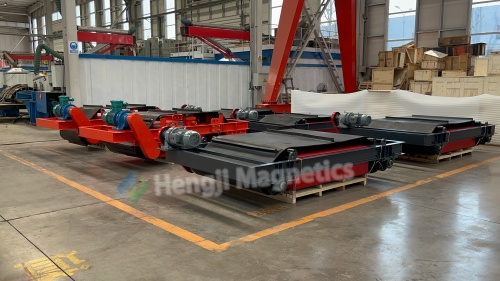
In the roaring mill building of an iron ore concentrator, slurry from the ball mill carries liberated magnetic particles and gangue into the next stage. How to “snatch” strongly magnetic minerals like magnetite from waste rock with maximum efficiency and minimum loss at this decisive separation point is critical to the entire beneficiation process. The magnetic ore separator is the key equipment that shoulders this task.
It uses the physical principle of magnetic susceptibility differences between minerals. A high‑intensity magnetic system inside the rotating drum generates a powerful field in the separation zone. When slurry enters the tank at a calculated velocity and density, magnetic mineral particles quickly escape the drag of the slurry flow, are captured on the drum surface, and are carried out of the field into the concentrate launder. Non‑magnetic gangue—quartz, feldspar, amphibole—flows out as tailings by gravity and slurry dynamics. Magnetic separation examples show that the efficiency of this process directly determines final concentrate grade and metal recovery.
How Does a Magnetic Ore Separator Achieve High Efficiency in Magnetic Separation Examples?
For any mineral processing engineer, the magnetic circuit design of the magnetic ore separator is always the top technical concern. In many successful magnetic separation examples, using a hybrid magnetic system of high‑grade rare earth Neodymium and ferrite is the key to improving separation efficiency.
By computer‑simulating the magnetic circuit, engineers arrange poles in a special pattern inside the drum. This creates a high‑gradient, multi‑pulsating field distribution in the separation zone. Such a field generates stronger magnetic forces, so even weakly magnetic particles in locked grains cannot escape. Moreover, operators can adjust the magnetic angle steplessly. This controls exactly where and how long magnetic concentrate remains in the field before discharge. This flexible adjustment allows the magnetic ore separator to find the optimal balance between concentrate grade and metal recovery for different ore types (particle size, magnetic content) as seen in real magnetic separation examples.
The tank design also matters. Modern magnetic ore separator units feature large volume, low‑turbulence feed and overflow structures. Slurry flows smoothly and fully through the separation zone, reducing mechanical entrainment of non‑magnetic particles caused by high‑velocity turbulence. This is the process guarantee for high concentrate grade at high throughput.


What Ensures Long‑Term Mechanical Reliability in Magnetic Separation Examples?
Beyond magnetic and fluid design, mechanical reliability under continuous heavy load is another key measure of the magnetic ore separator’s value. In actual magnetic separation examples, abrasion from iron ore is extremely severe.
Therefore, the drum shell of the magnetic ore separator is typically made of high‑wear‑resistant seamless stainless steel or covered with a several‑millimeter‑thick rubber layer. This effectively resists long‑term erosion from high‑density slurry. The drive system usually uses a high‑torque, smooth low‑speed direct drive, eliminating the belt slip and breakage risks common in heavy‑duty belt drives.
The magnetic core—the heart of the magnetic ore separator—is completely sealed inside the stainless steel drum shell with tight welds. It is fully isolated from corrosive slurry and abrasive particles. This structural design fundamentally prevents the Neodymium magnet core from demagnetizing or being damaged by moisture or impact. Choosing a magnetic ore separator that has been proven in numerous successful magnetic separation examples is selecting the “separation heart” that continuously produces high‑grade concentrate with stable, low‑failure operation.

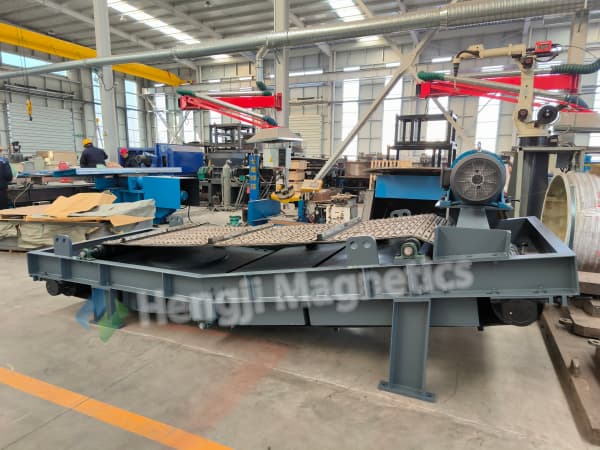
How Does the Magnetic Ore Separator Handle Different Ore Types in Magnetic Separation Examples?
The magnetic ore separator is not a one‑size‑fits‑all machine. Its performance in magnetic separation examples varies with ore characteristics.
-
For coarse, strongly magnetic magnetite: A low‑intensity magnetic ore separator with a simple magnetic circuit and high throughput is often sufficient. The focus is on recovery and tailings minimization.
-
For fine, weakly magnetic hematite or limonite: A high‑intensity, high‑gradient magnetic ore separator is required. Multi‑stage cleaning may be needed to upgrade concentrate to market grade.
-
For mixed ores containing both strong and weakly magnetic minerals: The magnetic ore separator can be configured with adjustable field strength and multiple passes, as shown in magnetic separation examples for complex iron ores.
By studying magnetic separation examples from similar deposits, engineers can pre‑select the optimal magnetic ore separator model and operating parameters before plant commissioning.

What Maintenance Practices Keep a Magnetic Ore Separator Running?
Field data from numerous magnetic separation examples show that a well‑maintained magnetic ore separator requires very little daily attention.
-
Daily: Check bearing temperature and lubricate according to schedule. Inspect the drum rubber liner for wear. Ensure the discharge chute is clear.
-
Weekly: Verify belt tension (if belt‑driven) and electrical connections. Take a sample of tailings to visually check for magnetite loss.
-
Monthly: Measure drum surface field strength with a Gauss meter to confirm no decay. Inspect seals for leakage.
Because the magnetic ore separator has no exposed coils or complex cooling systems (for permanent magnet designs), maintenance is straightforward. Most magnetic separation examples report less than two hours of maintenance per week.
Conclusion: The Proven Workhorse of Iron Ore Beneficiation
The magnetic ore separator has stood the test of time and countless magnetic separation examples across the globe. It reliably separates magnetite and other ferrous minerals from gangue, delivering high recovery and consistent concentrate grade. With robust magnetic circuits, wear‑resistant construction, and simple maintenance, it is the workhorse of every iron ore concentrator.
Invest in a magnetic ore separator that has been validated in real magnetic separation examples and secure the profitability of your beneficiation line for decades.
Magnetic Drum Separators for Dry Magnetic Separation of Iron Ore: Process Breakthroughs for Arid and Challenging Environments
Electro Magnetic Separator: High Gradient Magnetic Separation for Deep Iron Removal
Related Article
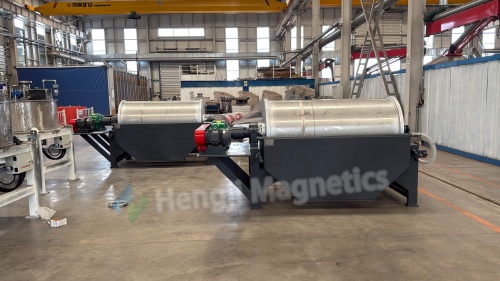
Rotary wet drum magnetic separator combines rotary and wet drum designs for continuous slurry separation, improving concentrate grade and reducing magnetic iron in tailings.
Rotary Drum Magnetic Separator and Wet Drum Magnetic Separator: Continuous Slurry Separation

High intensity dry magnetic drum separator combines strong magnetic force with dry processing, removing fine iron from powders without demagnetization.
High Intensity Dry Magnetic Drum Separator: Strong Magnetic Force for Dry Powder Iron Removal