Cross Belt Magnetic Separator on Conveyor: Selection, Installation & Use
2026-05-07
In mining, power plants, steel mills, and material processing, a cross belt magnetic separator installed on a magnetic separator conveyor is the first line of defense against tramp iron damage. But with so many models—RCYD, RCDD, RBCYD, RCDB—how do you choose, install, and use one correctly? This guide answers the most common questions, helping you protect your crushers, belts, and product quality.

Permanent or Electromagnetic? Which Cross Belt Magnetic Separator Is Right for You?
This is the most frequent question. Each has strengths.
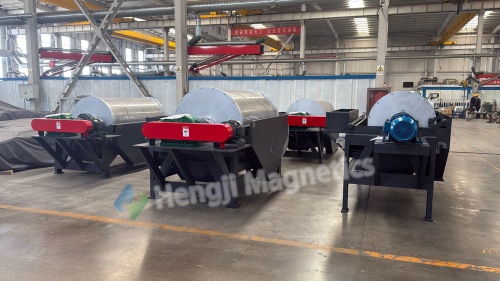
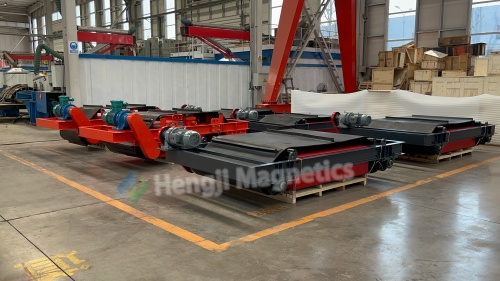
Permanent cross belt magnetic separator (e.g., RCYD, RBCYD): Uses high-grade Neodymium magnets. No power draw for the magnetic field. Simple, low maintenance, stable field. Ideal for continuous duty with moderate tramp iron. A cost-effective choice for most magnetic separator conveyor lines.
Electromagnetic cross belt magnetic separator (e.g., RCDD, RCDB): Requires continuous power to energize the coil. Offers adjustable, stronger magnetic force for deeply buried, large tramp iron. Fully sealed, resin-cast construction for harsh, dusty, or wet environments. Better suited for extreme conditions.
Quick rule: For high uptime, low operating cost, choose permanent. For maximum lifting power and harsh environments, choose electromagnetic. Either way, your cross belt magnetic separator must match your magnetic separator conveyor duty.
Where to Install the Cross Belt Magnetic Separator: Head or Mid-Conveyor?
Location is critical. Your cross belt magnetic separator can be installed at the head pulley or over the middle of the magnetic separator conveyor.
Head installation (inclined): Material trajectory helps expose tramp iron. If belt speed exceeds 2 m/s, mount the cross belt magnetic separator slightly farther from the pulley to use the trajectory. Below 2 m/s, move it closer to the pulley. Use a non-magnetic pulley to avoid field interference.
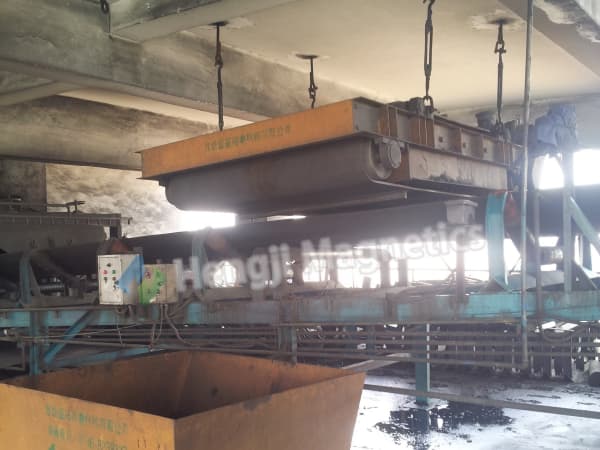
Mid-conveyor installation (horizontal): Suspend the cross belt magnetic separator directly over the belt. This suits limited headroom or when you want a static installation without changing material flow.
Height rule: The cross belt magnetic separator should be as low as possible without touching material, but never exceed the rated suspension height for your magnetic separator conveyor.
How to Fix Belt Tracking and Tension Issues?
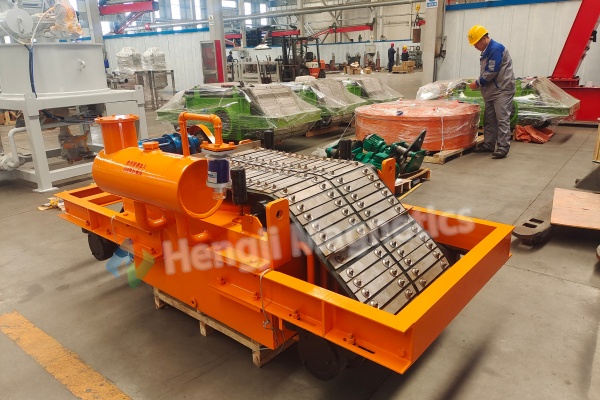
Discharge belt misalignment is common. Most cross belt magnetic separator models allow on-the-fly adjustment using bearing bolts. Tighten or loosen the tail pulley bolts to center the belt. Check regularly. A properly aligned belt extends the life of your magnetic separator conveyor discharge system.

Environmental Limits That Affect Your Cross Belt Magnetic Separator
Your cross belt magnetic separator must operate within specific conditions:
-
Altitude: Below 2000m. Higher altitudes reduce cooling efficiency for electromagnetic units.
-
Temperature: -20°C to +40°C. Outdoor electromagnetic cross belt magnetic separator units require weather covers. Rain damage voids warranty.
-
Humidity: Permanent units ≤90% (at 25°C). Electromagnetic units ≤60%.
-
No explosive or corrosive gases.
Check these before installing your magnetic separator conveyor protection.
How to Know If Magnetic Strength Is Enough?
Model numbers often include T1, T2, T3:
-
T1 = 90 mT (milliTesla)
-
T2 = 120 mT
-
T3 = 150 mT
Higher T rating means deeper penetration, better for thick burdens. For electromagnetic cross belt magnetic separator, adjust excitation current. Add a metal detector and smart control: when metal passes, the cross belt magnetic separator goes into high excitation to lift it, then returns to low excitation to save energy and prevent carryover.


Maintenance & Commissioning Tips
-
No-load test: Run the cross belt magnetic separator for 2 hours before feeding.
-
Startup order: Start the cross belt magnetic separator first, then start the magnetic separator conveyor. Never start under load.
-
Routine: Check bolts, belt tracking, and cooling system (for electromagnetic units) every 3 months. Replace worn discharge belts promptly.
Conclusion
Choosing, installing, and maintaining a cross belt magnetic separator on a magnetic separator conveyor doesn't have to be complicated. Focus on permanent vs. electromagnetic based on your duty, install at head or mid-conveyor with correct height, adjust belt tracking, respect environmental limits, and match field strength to your burden. Follow these guidelines, and your cross belt magnetic separator will reliably protect your magnetic separator conveyor for years.
Eddy Current Magnetic Separator: How Magnetic Separation of Mixtures Recovers Non-Ferrous Metals from Waste
Custom Food Grade Magnetic Grate Separators: Key Technical Questions You Need to Know
Related Article
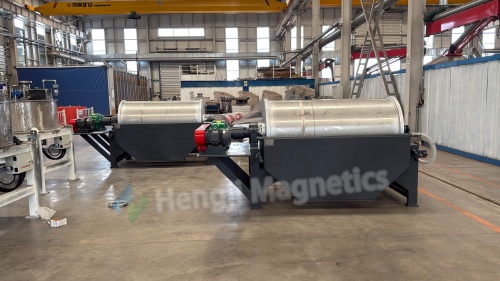
Rotary wet drum magnetic separator combines rotary and wet drum designs for continuous slurry separation, improving concentrate grade and reducing magnetic iron in tailings.
Rotary Drum Magnetic Separator and Wet Drum Magnetic Separator: Continuous Slurry Separation

High intensity dry magnetic drum separator combines strong magnetic force with dry processing, removing fine iron from powders without demagnetization.
High Intensity Dry Magnetic Drum Separator: Strong Magnetic Force for Dry Powder Iron Removal