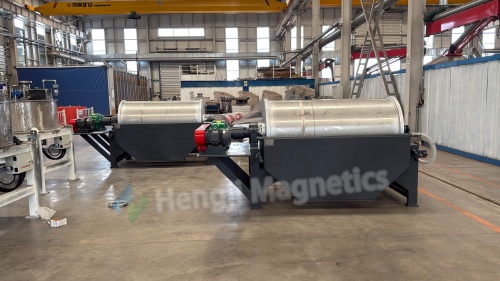
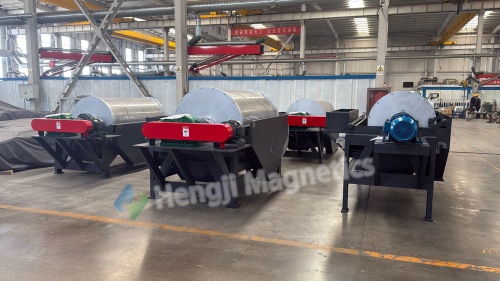
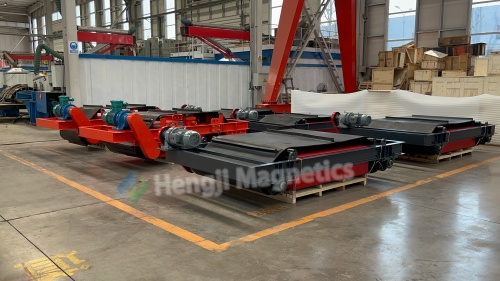
Your Rare Earth Magnetic Separator Needs a Check-Up: The Essential Preventive Maintenance & Performance Guide

Why Preventive Maintenance is Non-Negotiable
-
Mechanical Failure: Worn bearings, misaligned belts, or damaged drives.
-
"Pseudo" Performance Loss: The most common issue—accumulated tramp metal on the magnet surface acts as a shield, drastically reducing effective magnetic force.
-
Irreversible Magnetic Degradation: Physical damage or operating beyond temperature limits can permanently weaken the powerful core of your rare earth magnetic separator.
The Preventive Maintenance Checklist: A Routine "Physical"
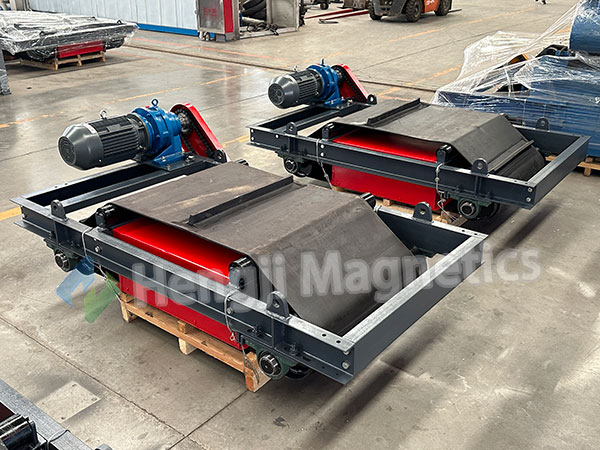
Daily & Weekly Routines (The Quick Visual Check):
-
Clean the Magnet Surface: This is the #1 rule for any rare earth magnetic separator. Manually or automatically remove all captured ferrous material. Built-up metal creates a magnetic shield, causing the most common form of performance drop.
-
Clear Debris & Dust: Keep the unit and its surroundings clean. Dust buildup on electrical cabinets or cooling fins can lead to overheating and insulation failure.
-
Listen and Look: Check for unusual noises, vibrations, or visible damage to belts and housings.
Scheduled Periodic Maintenance (The Scheduled Service):
-
Lubrication: Follow the manual. Regularly grease bearings and gearboxes with the specified lubricant to prevent wear.
-
Belt Tracking & Tension: For self-cleaning high intensity magnetic separator models, check and adjust the cleaning belt to prevent wear and ensure proper discharge.
-
Electrical Connections: Tighten terminals and inspect cables for wear to ensure reliable power delivery.
-
Cooling System Check (if applicable): For electromagnetic or oil-cooled rare earth magnetic separators, verify coolant levels, pump operation, and cleanliness of heat exchangers.
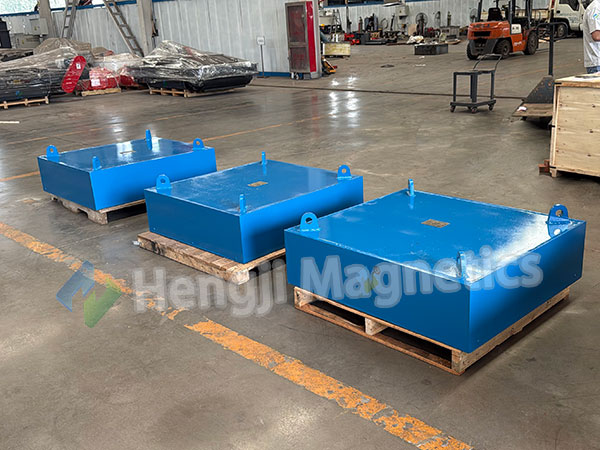
Comprehensive Shutdown Maintenance (The "Deep Clean"):
-
Detailed Inspection: During planned production stops, conduct a thorough inspection of all internal and external components.
-
Belt/Wear Liner Replacement: Proactively replace worn discharge belts or protective liners before they fail.
-
Control System Check: Inspect contactors, relays, and PLCs in the control cabinet for dust and secure connections.
Monitoring for Magnetic Strength Attenuation
The Simple Field Test:
Keep a standardized test piece (e.g., a specific washer or ball bearing). Regularly test if the cleaned high intensity magnetic separator can still lift it from the standard working distance. A change in this basic pull force is a clear early warning sign.
The Professional Measurement:
For critical applications, use a Gauss Meter (Teslameter).
-
Establish a Baseline: When the rare earth magnetic separator is new or freshly serviced, record the magnetic field strength at key points on the clean surface.
-
Schedule Regular Comparisons: Every 6-12 months, retest under identical conditions.
-
Analyze the Data: A consistent drop in field strength (e.g., >10%) after thorough cleaning indicates potential core magnet aging or damage, signaling time for expert assessment.

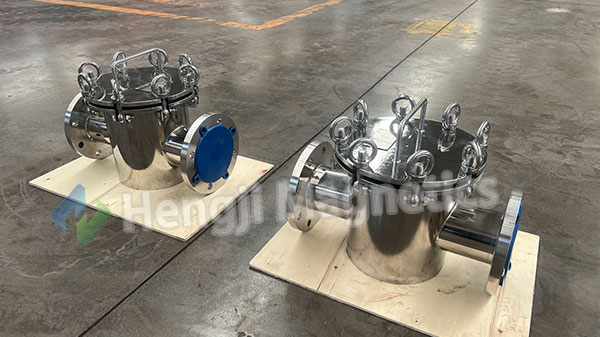
Conclusion: Proactive Care Protects Your Process and Investment
Treating your rare earth magnetic separator with proactive, scheduled care is the most cost-effective strategy. It ensures this high intensity magnetic separator continues to perform as the reliable guardian of your product quality and equipment health. By moving from reactive repairs to preventive maintenance and simple performance monitoring, you secure maximum uptime, consistent purity, and the full return on your investment for years to come. Don't wait for a failure—schedule your separator's next check-up today.
Taming Energy Costs: 3 Key Checkpoints for Your Dry Magnetic Separator and Electro Magnetic Separator
Crossbelt Magnetic Separator Selection Guide for Ore Conveyor Protection
Related Article