What Does One Hour of Downtime Cost? A Spare Parts Strategy for Your High Gradient Plate Magnetic Separator
When your high gradient magnetic separator stops, the meter keeps running on lost production, wasted energy, and missed deliveries. Yet many operations lack a clear answer to a fundamental question: what is one hour of downtime actually worth? Without this number, it's impossible to make rational decisions about spare parts inventory. This guide provides a framework for calculating your true downtime cost and building a smart, cost-effective spare parts strategy for your critical plate magnetic separator.

Part One: Calculating Your True Hourly Downtime Cost
Hourly Downtime Cost ≈ Hourly Throughput (tons) × Product Value or Profit per Ton
-
Direct Lost Production: If your plate magnetic separator is a bottleneck, its downtime stops the entire line. Calculate the revenue or profit generated per hour of normal operation.
-
Quality & Energy Impact: Restarts often cause off-spec material and spike energy consumption as the system re-stabilizes.
-
Order Fulfillment Risk: Missed deliveries can mean contract penalties or damaged customer relationships.
Part Two: A Three-Tier Spare Parts Strategy
Not all parts are created equal. Some failures cause catastrophic downtime. Others are minor inconveniences. A smart strategy categorizes spares by their impact and probability.
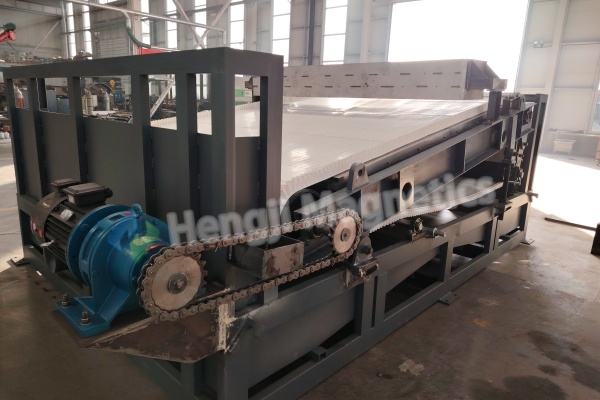
Tier One: Must-Stock Critical Spares
Tier Two: Recommended Stock Items
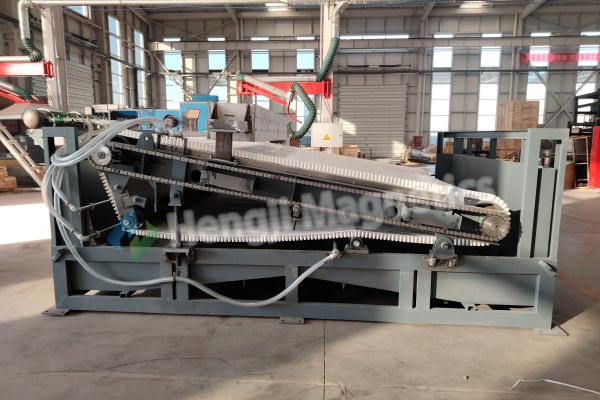
Tier Three: Managed Supply Chain Items
Part Three: Implementing Your Strategy


Conclusion: The Smart Money is on Preparedness
How Much Magnetic Strength Remains After Five Years? Field Testing Your Drum Magnetic Separator
The Secret of Magnetic Grate Separators: Eliminating Blind Spots with Magnetic Rod Arrays
Related Article