Permanent Magnetic Pulley Separator: The Standard for Production Lines
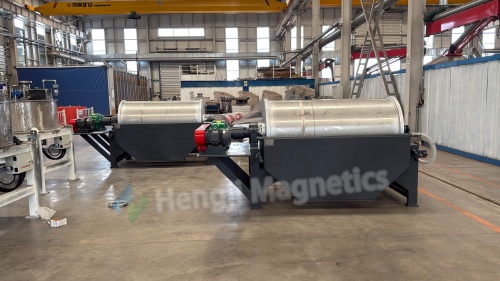
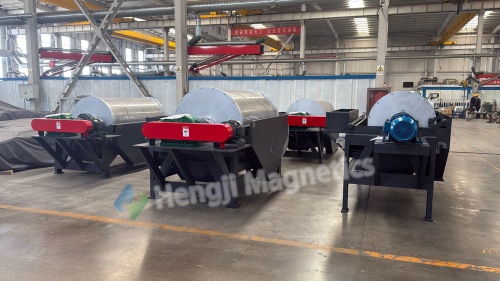
In cement, mining, steel, chemical, and grain processing industries, ferrous contamination is a persistent threat to equipment safety and product quality. A single stray bolt or tiny iron filing can tear an expensive conveyor belt, jam a crusher, or cause black spots in finished products. To solve this problem at the source, the permanent magnetic separator has become an indispensable piece of equipment on countless production lines. Among its many forms, the magnetic pulley separator (also known as a magnetic drum pulley) stands out for its unique separation structure and efficient self-cleaning capability. This article explains why this technology has become the go-to solution for reliable, maintenance-free iron removal.

How Does a Permanent Magnetic Pulley Separator Work Without Power?

What Affects the Separation Efficiency of a Magnetic Pulley Separator?
Is Installation and Maintenance of a Permanent Magnetic Separator Complicated?


Which Industries Need a Permanent Magnetic Pulley Separator?
-
Cement & building materials: Protects crushers and mills from tramp iron.
-
Non-metallic mineral purification: Removes iron from quartz sand, feldspar, kaolin to improve brightness and high-end value.
-
Abrasives & refractories: Continuous iron removal from powders ensures product uniformity and purity.
-
Food, feed & chemicals: Removes ferrous contaminants during processing to ensure food safety and process integrity.
Conclusion
Ceramic Dry Magnetic Separator: Powder Iron Removal Standard
High Intensity Magnetic Separator: How Industrial Magnetic Separation Equipment Breaks Purification Limits
Related Article