Permanent Magnetic Separator for Conveyor Belt: Why Iron Removal Falls Short and How to Fix It
In cement, building materials, mining, power, and chemical plants, belt conveyors carry bulk materials day and night. If bolts, chains, or excavator teeth get mixed into the material, they can scratch the belt, jam crushers and mills, or stop the entire production line. Many customers ask the same question: Why does a permanent magnetic separator for a conveyor belt fail to remove iron completely? The equipment itself is not complicated. It is installed at the head or middle of the belt conveyor, lifts ferrous pieces from the material, and discharges them with a self-cleaning belt. But performance depends on matching the magnetic field to the actual working conditions. This article explains the common causes and practical solutions for a magnetic separator for conveyor belt.
The most common reason is not the magnet itself, but the installation height. A permanent magnetic separator has a rated suspension height. If the unit is hung too high above the belt, the magnetic field weakens before it reaches the material surface. Iron buried deep in a thick layer may never be captured. Lowering the separator to the rated height often improves performance immediately.
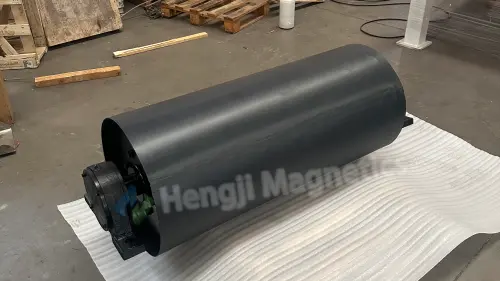
Magnetic circuit design also matters. A well-designed magnetic separator for conveyor belt uses a high-strength magnetic circuit with deep penetration and a large pole area. This gives the field enough reach and dwell time to lift ferrous pieces even when the belt is running fast and the material layer is thick. If the unit is undersized or the magnetic circuit is poor, fine iron and deep-buried tramp iron can slip through.
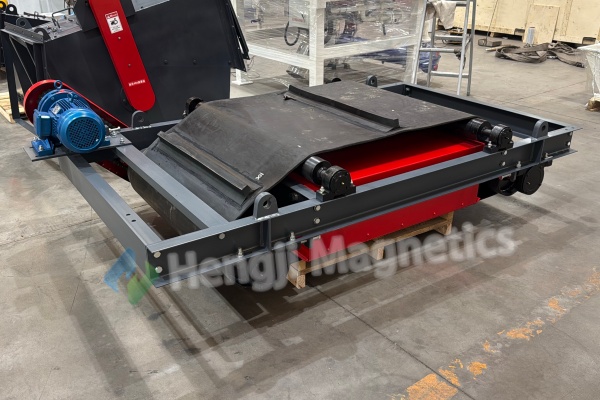
Does the Magnetic Separator for Conveyor Belt Need Manual Cleaning?
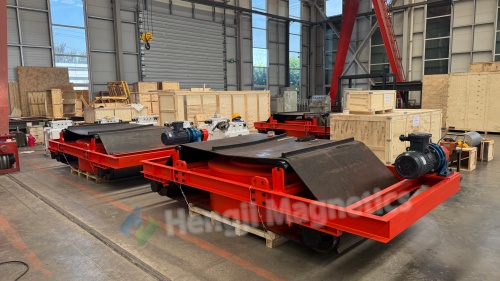
No. A properly designed permanent magnetic separator includes a self-cleaning discharge mechanism. The separator body lifts the iron, and a discharge belt with scrapers carries it away and drops it into a collection bin. The process is automatic. Belt tension and tracking can be adjusted without stopping production using bearing adjustment devices. This keeps the magnetic separator for conveyor belt running continuously without frequent manual cleaning stops.
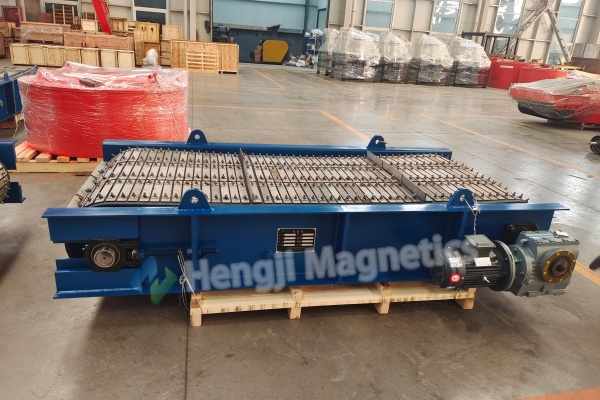
What About Operating Cost and Maintenance?
A permanent magnetic separator uses permanent magnets to generate the magnetic field. It requires no excitation power. This means low operating cost, strong magnetic force, long service life, simple installation, and reliable operation. The internal permanent magnetic system can last over ten years. Daily maintenance focuses on two points. First, after a long shutdown, check the electrical performance of the geared motor before restarting. Second, before startup, inspect the bottom of the equipment for ferrous material. It must be removed before starting. Never start under load, or the sprocket, bearing, gearbox, or even the motor may be damaged. These simple checks keep the magnetic separator for conveyor belt dependable.
What Are the Operating Conditions for a Permanent Magnetic Separator?
The permanent magnetic separator generally requires an ambient temperature not higher than 40°C and not lower than -20°C. Altitude should not exceed 2,000 meters. The location must be free from explosion hazards and corrosive gases. Indoor and outdoor installation are both acceptable. If the motor is exposed to open air, add rain protection to prevent moisture damage. Also follow the correct operating sequence: start the separator before the conveyor belt, and stop the conveyor belt before the separator. This prevents tramp iron from passing downstream. These conditions ensure the magnetic separator for conveyor belt performs reliably.
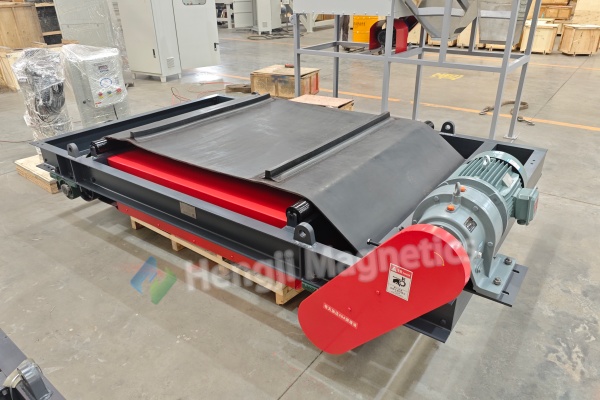
Case Study: Protecting a Crusher in Building Materials Production
In a building materials plant, chains and bolts on the conveyor before the crusher were a constant risk. Once they entered the crusher, longitudinal belt tearing, equipment wear, and unplanned downtime followed. Hengci Magnetic supplied a permanent magnetic separator installed on the conveyor before the crusher. When material passed, tramp iron was lifted and automatically ejected by the discharge belt. The magnetic circuit was designed for thick material layers. Belt tearing risk dropped, and the crusher and mill were protected. This shows how the right magnetic separator for conveyor belt solves a real production problem.
Selection and Installation Tips for Magnetic Separator for Conveyor Belt
Selection depends on belt width, belt speed, material layer thickness, iron conditions, and installation space. Installation position also matters. At the conveyor head, if belt speed is above 2 m/s, the permanent magnetic separator can be installed slightly away from the pulley. The material trajectory helps lift tramp iron. If belt speed is below 2 m/s, move the unit closer to the pulley, and use non-magnetic pulley material. For installation above the belt, the discharge belt of the magnetic separator for conveyor belt should run perpendicular to the material conveyor. This allows automatic iron removal in the cross direction. Matching the magnetic field to the working conditions is the key to clean iron removal.
Conclusion: Match the Magnetic Separator to Your Conveyor Conditions
Iron removal on a belt line depends on how well the permanent magnetic separator matches the actual working conditions. Check suspension height, magnetic circuit design, belt speed, material layer thickness, and maintenance practices. A well-selected magnetic separator for conveyor belt removes iron before it reaches downstream equipment, protecting the belt, crusher, and mill. If you are selecting a unit for your conveyor, share your working conditions with Hengci Magnetic. We will help you find the right permanent magnetic separator and installation plan.
Dry Electromagnetic Laboratory Magnetic Separator for Fine Powders
Perm Roll Magnetic Separator: Applying Magnetic Separation Technique for Clean Dry Powders
Related Article